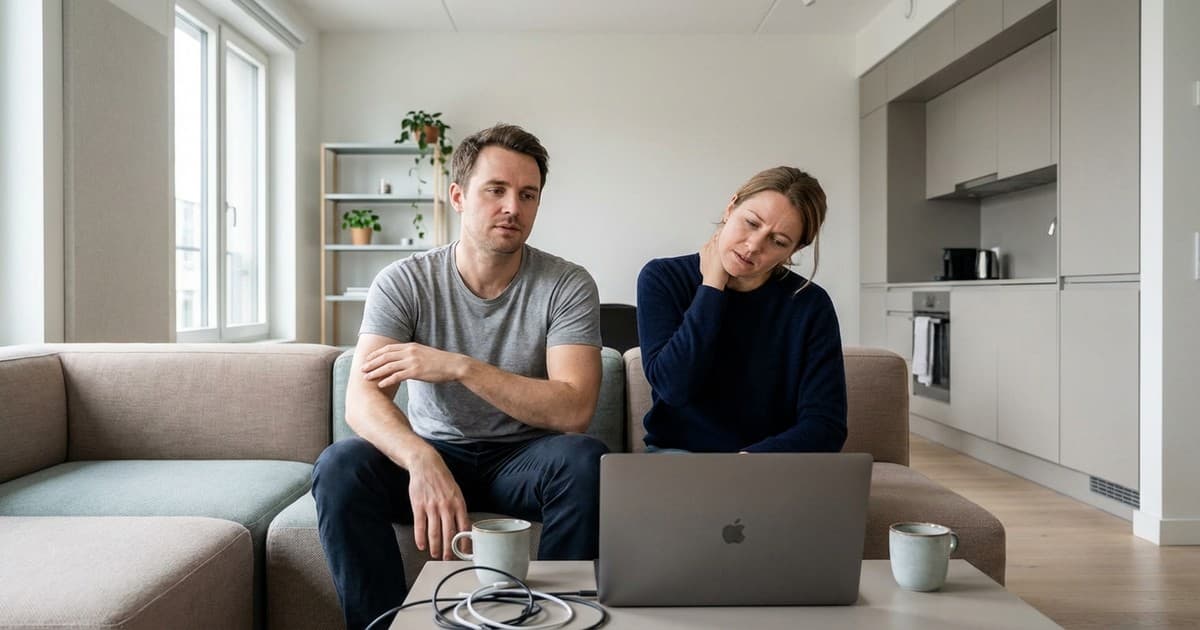
We live in an era of unprecedented efficiency. Every need, from a hot meal to a transatlantic flight, can be summoned with a few taps on a glass screen. Yet, as our logistical burdens vanish, a strange restlessness has taken their place. This gap between speed and satisfaction reveals a growing tension between modern convenience vs comfort, where the ease of getting things done often masks a decline in our actual quality of life.
While we are ostensibly more comfortable than our ancestors, our bodies and minds suggest otherwise. The very tools designed to save us time frequently introduce new forms of strain, from digital fatigue to the physical toll of a sedentary existence. We have gained speed but lost the soothing rhythm of a life lived with intentional movement and tangible effort.
The hidden friction of a frictionless world
The pursuit of convenience usually aims to remove friction. We want things to happen instantly without effort. However, human satisfaction is often tied to the effort-reward cycle. When we bypass the process entirely, we lose the sense of accomplishment that provides lasting mental comfort. Instead of feeling satisfied, we feel hollow and increasingly impatient for the next quick result.
Digital friction is another unexpected byproduct. As we outsource our memories and navigation to algorithms, we lose the cognitive agility that once gave us confidence. The mental overhead of managing dozens of subscriptions and notifications creates a constant background hum of anxiety. This state of perpetual digital alertness is the polar opposite of true mental comfort.
The physical toll of the ergonomic vacuum
Physically, modern life has become a series of static positions. We sit to commute, sit to work, and sit to relax. While it is convenient to have everything within arm's reach, our biology requires movement for ergonomic health. The result is a surge in chronic back pain and repetitive strain that no high-end office chair can fully mitigate over the long term.
Furthermore, the convenience of ultra-processed, delivery-ready food has disrupted our metabolic health. What is easy for the schedule is often difficult for the body. The physical discomfort of poor nutrition and a sedentary lifestyle far outweighs the minutes saved by ordering in. We have traded the comfort of a healthy body for the convenience of a fast, effortless meal.
Reclaiming the distinction between ease and well-being
Understanding the difference between ease and well-being is the first step toward balance. True comfort often requires a degree of intentionality that modern efficiency discourages. It might mean walking to a shop instead of ordering online or cooking a meal from scratch. These acts reintroduce good friction into our routines, grounding us in the physical world again.
Reaching a state of genuine ease in 2026 requires us to be more selective about the technologies we adopt. It means recognizing that a tool is only beneficial if it frees up time for meaningful rest. Comfort is not the absence of effort, but the presence of harmony between our daily needs and our environmental surroundings in an automated world.
Finding balance in an automated age
The evolution of the modern lifestyle has proven that we cannot optimize our way to happiness. While convenience offers more hours in the day, it rarely teaches us how to inhabit them with peace. To regain our comfort, we must re introduce the physical engagements and challenges that keep our minds and bodies resilient against the creep of convenience.
True comfort is a holistic state, encompassing physical health and mental clarity. By choosing mindful action over mindless automation, we can bridge the gap created by our digital tools. The goal is not to abandon convenience, but to ensure it serves our well-being rather than eroding the foundational comforts that make life worth living.