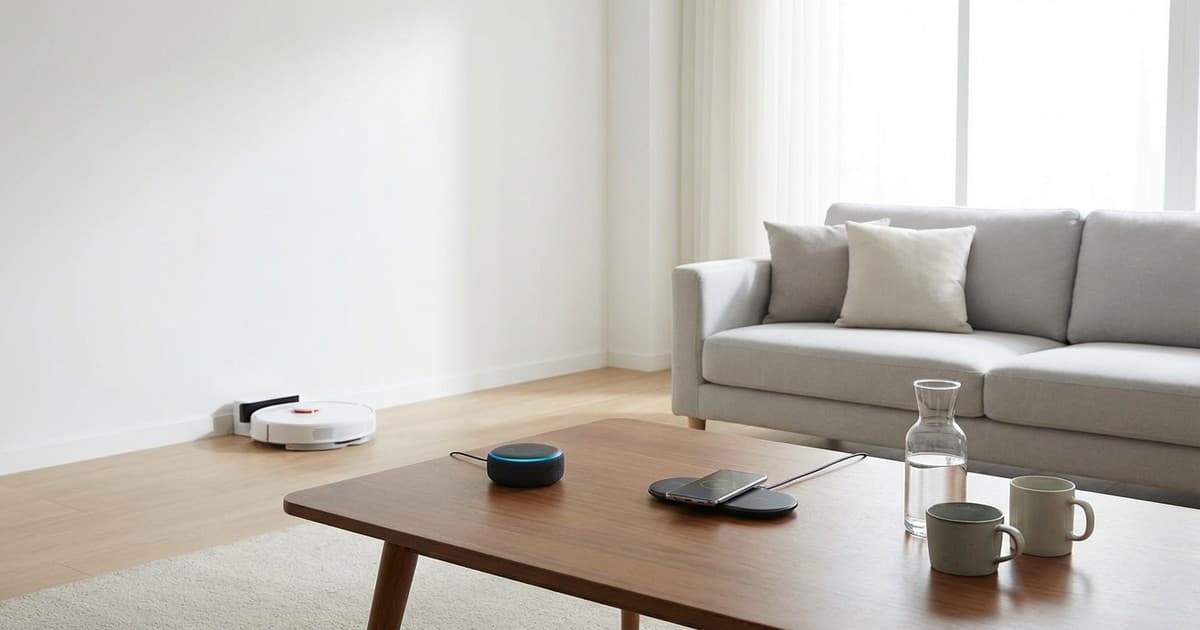
In the early 21st century, convenience was often marketed as a premium perk for those with disposable income. Today, the landscape has shifted entirely. It is no longer an optional upgrade but the foundational architecture of modern lifestyle design. From one-click purchasing to algorithmic curation, our daily routines are now optimized for the path of least resistance. This transition reflects a deeper societal shift where time is the rarest currency and friction is viewed as a systemic failure.
This evolution is the result of engineering focused on removing the cognitive load from every interaction. Whether ordering dinner or managing a global workforce, the expectation is that it must be instant and effortless. Reaching this point required a convergence of technology and a fundamental change in how we value our own attention. Understanding why we have prioritized ease helps explain the mechanics of the current economy.
The birth of the frictionless era
The rise of the digital economy accelerated the demand for immediate gratification. Silicon Valley popularized the concept of frictionless experiences, aiming to remove any barrier between a user’s desire and its fulfillment. As these digital habits spilled over into the physical world, they fundamentally altered consumer behavior. We no longer compare one brand against its direct competitor; instead, we compare every experience against the fastest, easiest interaction we have ever had.
Urban environments have been redesigned to support this hyper-convenience. The traditional high street has been supplemented by logistics networks that prioritize delivery speed over local discovery. This shift toward modern lifestyle design means that the geography of our cities is increasingly dictated by warehouses and distribution hubs rather than community centers. The physical world is being remapped to ensure that no product or service is ever more than a few minutes away.
Why time became our most precious resource
In a hyper-connected society, the boundary between work and leisure has effectively dissolved. This constant connectivity has created a time poverty crisis, where individuals feel they have less free time despite technological advances meant to save it. Consequently, any service that promises to reclaim minutes—even at a premium—becomes an essential utility. Convenience is the tool used to manage the overwhelming complexity of a life lived across multiple platforms.
This reliance on ease has also reshaped our decision-making processes. Behavioral economists note that when a choice requires even a small amount of extra effort, people are likely to default to the easiest option. Modern lifestyle design leverages this biological tendency, creating environments where the convenience path is the only one visible. This has profound implications for health and sustainability, as the easiest choice is rarely the most beneficial in the long term.
The invisible infrastructure of ease
Behind every seamless interface lies a massive infrastructure of data and automation. Predictive algorithms now anticipate our needs before we explicitly state them, further embedding frictionless living into our subconscious. By analyzing patterns in consumer behavior, companies can pre-position inventory or automate recurring tasks, making the mechanics of daily life nearly invisible. This invisibility is the ultimate goal of contemporary design, as it creates an illusion of effortlessness.
The prioritization of convenience has undeniably made life more efficient, allowing us to navigate a complex world with unprecedented speed. However, as modern lifestyle design continues to eliminate friction, it is worth considering what is lost in the process. The difficult parts of life—waiting, wandering, and manual effort—often provide the space for reflection and genuine connection. Moving forward, the challenge will be to balance ease with the preservation of experiences.