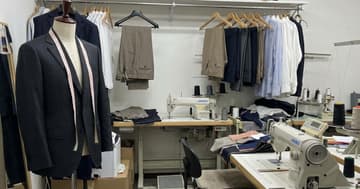
A first impression is often formed before a single word is spoken, and nothing dictates that judgment more than the way a garment hangs on the frame. While a sharp silhouette is generally prized in modern society, the criteria for success vary wildly based on gender. This clothing fit gender bias is not merely a matter of style preference; it is a complex social mechanism that evaluates men based on their perceived professional competence and women based on their perceived social and moral character, creating a significant disparity in everyday life.
The architectural expectation for men
For men, the fit of a suit or casual wear is traditionally linked to status and organizational ability. A well-tailored jacket suggests attention to detail and a command of one’s personal affairs. When a man’s clothing fits poorly—whether too baggy or too restrictive—the critique usually centers on a lack of maturity or professional savvy. He is seen as someone who has not yet mastered the adult requirement of sartorial presentation, rather than someone whose character is inherently flawed.
Women face a significantly more precarious set of standards where fit is often conflated with sexual availability or modesty. If a woman’s attire is deemed too tight, she is frequently scrutinized for being unprofessional or "distracting," shifting the focus from her skills to her body. Conversely, excessively loose clothing can be interpreted as a lack of confidence. This fashion double standard forces women to navigate expectations that rarely exist for men.
Historical roots of professional attire
These discrepancies are rooted in a long history of professional attire standards that were originally designed by and for men. The traditional "power suit" was built to project a standardized image of authority that de-emphasizes the physical body. As women entered these spaces, their clothing remained tethered to fashion trends that prioritize aesthetic appeal over functional uniformity. This historical baggage continues to influence how modern observers perceive the relationship between a person’s body and their capabilities.
The impact of these judgments extends beyond the office and into the realm of internal body image expectations. Men often feel pressure to fill out their clothes to project physical strength, while women are conditioned to ensure their clothes "flatter" them without being provocative. This constant self-monitoring creates a mental load that can detract from performance. When society judges a woman’s fit as a moral failing, it reinforces a culture of unnecessary scrutiny.
Decoupling appearance from value
Understanding why these differences persist requires a critical look at how we equate appearance with value. While the fashion industry is beginning to embrace more fluid silhouettes, the underlying biases remain deeply entrenched in our social fabric. Moving toward an equitable future requires decoupling a person’s wardrobe from their perceived integrity or intelligence. Until we judge a fit solely by its craftsmanship rather than the gender of the wearer, the mirror will continue to reflect our collective prejudices.