We often imagine progress as a series of grand inventions, yet the most profound changes in our daily lives stem from small adjustments. From the subtle curve of a screen to the height of a counter, design choices we rarely notice have a disproportionate impact on our health. By understanding this invisible design impact, we can see how our environment nudges our behavior. These shifts illustrate how the modern world is meticulously crafted.
The standardization of counter heights
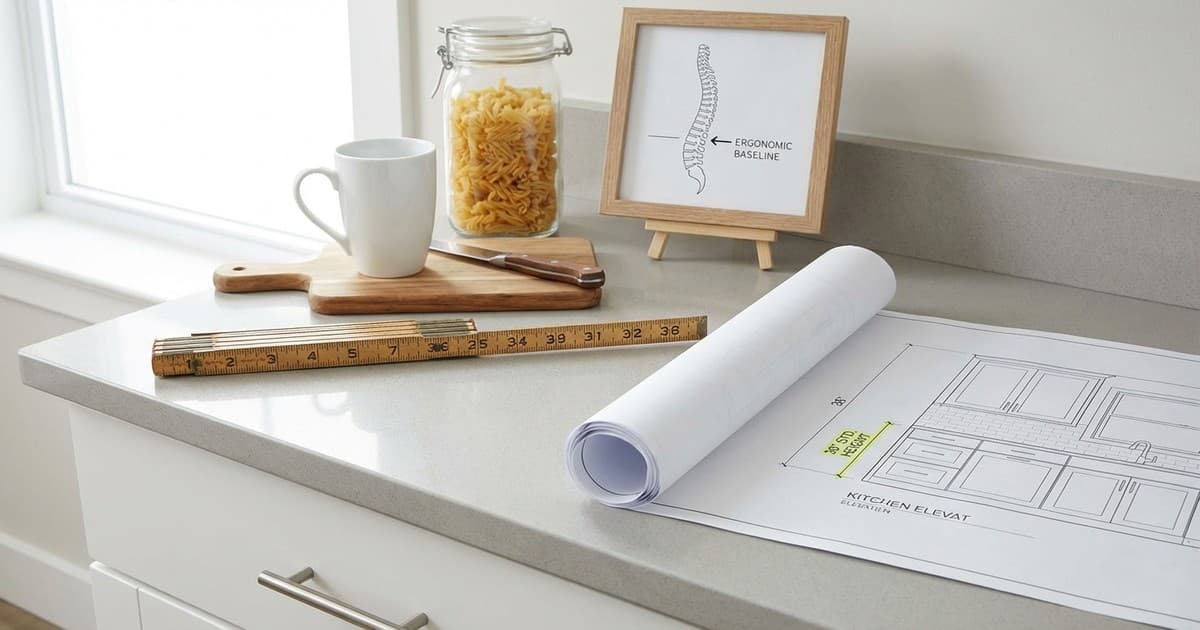
The adoption of the 36-inch standard for kitchen counters in the mid-20th century fundamentally changed domestic life. It was designed to reduce back strain for the average worker by optimizing household ergonomics. This single measurement eventually dictated the layout and construction of every modern home. Today, it remains the silent blueprint for how we prepare food and interact within our private living spaces, providing a universal baseline for comfort.
The psychological weight of the snooze button
Added to clocks in the 1950s, the snooze button altered human sleep patterns forever. This tiny mechanical lever introduced a fragmented start to the day, creating a new relationship with morning time. It remains a primary psychological hurdle for millions, illustrating how a simple interface choice can influence biological rhythms. By delaying the inevitable, this small design feature has shaped the morning routines of entire generations in the modern era.
Rounded corners on digital hardware
Early computers were boxy and sharp, reflecting their industrial roots. Modern devices use rounded corners, often called "squircles," to feel more organic and safe to the touch. This choice makes technology feel approachable rather than intimidating, easing our constant physical interaction with hardware. It is a subtle application of behavioral design that reduces the subconscious friction we feel when picking up our phones or opening our laptops.
The rise of the hamburger menu
Three small horizontal lines on a screen transformed how we navigate the digital world. This shorthand icon saved precious screen real estate during the mobile revolution. It taught an entire generation a new visual language for accessing hidden information. While it hides complexity, it also forces users to memorize navigation paths. This choice has streamlined the aesthetics of the web while fundamentally changing our digital reading habits and discovery processes.
Hostile architecture and transit seating
The slope of public seating and the use of lean-bars in transit hubs are intentional choices in urban planning. These designs prevent long-term loitering and ensure that spaces remain transitional. While often criticized for being exclusionary, these choices dictate the flow of people through our busiest cities. They prioritize movement over rest, shaping how we experience public corridors and how long we choose to linger in shared municipal environments.
Circadian regulation through blue light filters
As designers realized the impact of screens on circadian rhythms, they introduced "night modes" and blue light filters. This small shift in the color spectrum helps regulate melatonin production in a world of constant connectivity. It is a vital design intervention that acknowledges our biological vulnerabilities. By altering the display at sunset, software developers have taken a small but significant step in mitigating the health costs of our digital lifestyles.
The feedback of contactless haptics
The subtle vibration or sound produced during a contactless payment provides essential sensory feedback. Without this tiny cue, digital transactions would feel insecure or incomplete. This haptic design has accelerated the global transition away from physical cash by building trust in invisible processes. It proves that the smallest sensory details are often the most important when it comes to adopting new technologies and changing ingrained financial behaviors.
Acoustics in the open-plan office
The removal of cubicle walls was a design choice intended to foster collaboration. However, it also necessitated the invention of sound-masking technology to maintain productivity. We now live in a world where "white noise" is a standard feature of the professional workplace. This shift changed how we focus and interact with colleagues. It highlights the complex balance between the need for social interaction and the acoustic privacy required for deep concentration.
Standardization of universal charging
Standardizing USB-C ports has reduced the daily friction of modern life. No longer do we struggle with specific cables for every device we own. This interoperability has streamlined our luggage and reduced global electronic waste significantly. By choosing a universal hardware standard, designers have removed a frustration that once defined the early digital era. It makes our interconnected world feel much more seamless and less dependent on proprietary accessories.
Principles of progressive disclosure
Modern websites and apps no longer show all information at once. Instead, they reveal details only as you need them. This reduces cognitive load, allowing us to manage complex digital tasks without feeling overwhelmed. This principle of progressive disclosure keeps our interfaces clean and our minds focused. It is a vital strategy in behavioral design that helps us navigate an era defined by high information density and constant digital noise.
The lasting impact of the unseen
These small decisions are rarely accidental; they are the result of rigorous engineering aimed at making life more efficient. While we may not notice the curve of a chair or the sound of a notification, these elements define our relationship with the world. Recognizing these patterns allows us to become more conscious consumers of the tools we inhabit. In the end, the most effective design is often the one that stays completely out of your way.