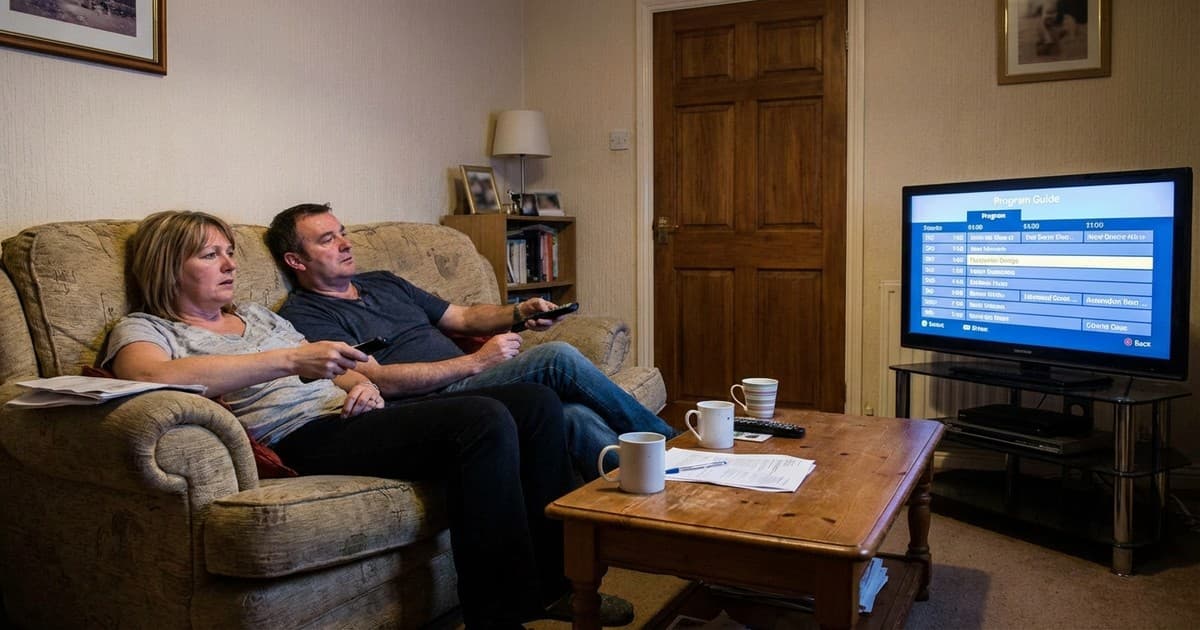
Viewers often notice that sitcoms end around the 22-minute mark, while dramas stretch toward 44 minutes. This uniformity isn't a creative coincidence. Instead, the primary reason for consistent TV episode length is the historical requirement of broadcast television schedules, which must accommodate fixed advertising breaks within 30- or 60-minute windows. Even today, these legacy standards dictate how stories are paced and sold.
The legacy of the broadcast hour
For decades, the clock was the ultimate producer. Networks sold time in rigid blocks, typically starting at the top or bottom of the hour. To make the math work, a half-hour comedy needed to leave roughly eight minutes for commercials. This created a standardized template that writers followed to ensure their scripts fit the local and national ad pods without cutting into the narrative or causing the station to run behind schedule.
These segments, often called acts, are designed to lead directly into commercial breaks. A typical drama has four or five acts, each ending on a minor cliffhanger or a transition point. This structure keeps audiences engaged through the advertising intervals. While the number of minutes dedicated to commercials has increased over the years, the fundamental framework of the episode remains tied to these legacy broadcast requirements.
Economic pressure and syndication
Beyond the initial broadcast, syndication plays a massive role in maintaining these durations. Shows that follow a standard length are much easier to sell to other networks later. A cable channel or local station can easily slot a 22-minute sitcom into their existing schedule. If an episode was 34 minutes long, it would disrupt the entire daily lineup, making it significantly less valuable for long-term profit and library licensing.
Interestingly, the rise of streaming platforms has started to challenge these boundaries. Without the need for commercial breaks, platforms like Netflix or Disney+ allow creators more freedom. However, many modern creators still stick to traditional lengths because they provide a proven rhythm for storytelling. A half-hour feels right for a comedy, while an hour feels substantial for a high-stakes drama or a prestige limited series.
The future of runtime flexibility
We are currently in a transition period where runtime creep is becoming more common in prestige television. Some streaming episodes now fluctuate by ten or fifteen minutes within the same season to suit the story. Yet, the industry largely resists total chaos. The existing infrastructure of production budgets, union contracts, and viewer habits ensures that the familiar lengths established decades ago continue to dominate the screen.