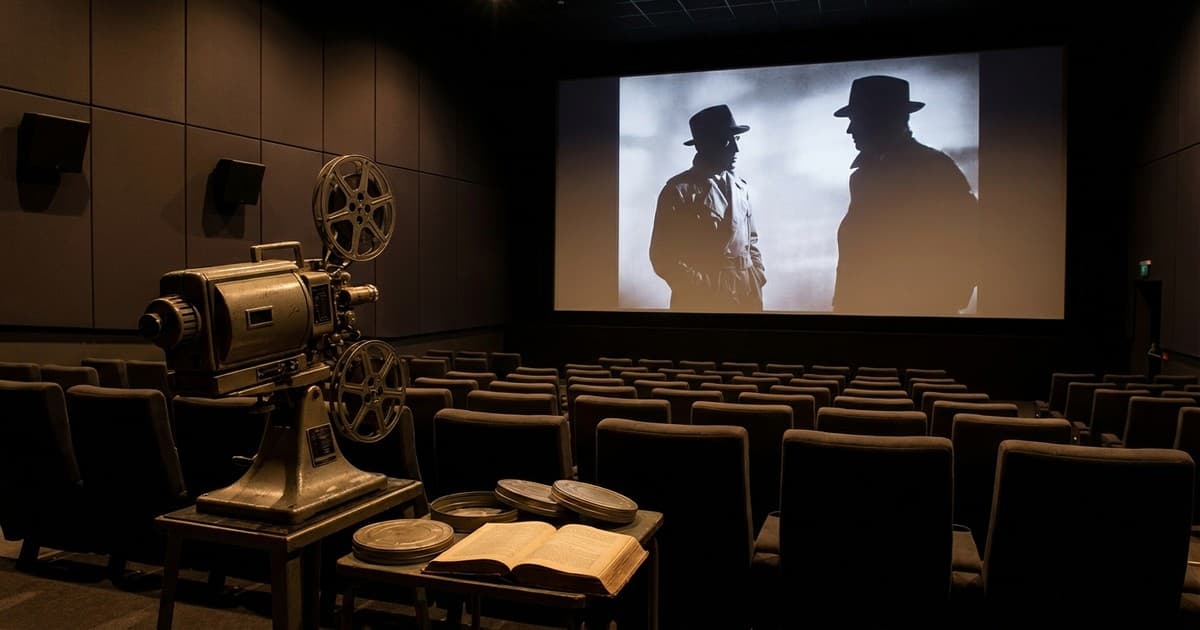
Walking into a high-tech IMAX theater in 2026 feels like entering the future. However, beneath the digital sheen, the underlying architecture of the stories we watch remains ancient. Movies follow these decades-old patterns because they align with how the human brain processes narrative and emotional stakes. Whether it is a superhero epic or an indie drama, most films adhere to film storytelling rules established nearly a century ago.
The persistence of the three-act structure
The three-act structure is the most dominant framework in the industry. Since the era of the early talkies, screenwriters have leaned on the setup, confrontation, and resolution model. This rhythm creates a predictable yet deeply satisfying arc for the viewer. It ensures that the audience understands who the protagonist is and what they want within the first act. This reliability prevents modern viewers from feeling lost.
Psychologically, humans are hardwired to look for these specific patterns. We seek out a beginning, middle, and end to make sense of our own lives. Filmmakers use these rules because they mirror our natural way of learning and experiencing conflict. Deviating too far from these norms often results in an alienated audience that cannot connect with the characters on screen. Standardized beats create a shared language with the viewer.
The lingering influence of Aristotle
Long before the first camera rolled, Aristotle outlined the basics of drama in his Poetics. His concepts of catharsis and the unity of action remain the bedrock of modern screenwriting. Even today’s most complex non-linear films often resolve back into these classical definitions. Writers find that while the medium has changed from stage to screen, the emotional triggers that move an audience have remained remarkably consistent.
These screenwriting tropes persist because they work. A hero’s journey or a rags-to-riches tale resonates regardless of the decade. By following established rules, directors can focus on visual innovation while keeping the emotional core grounded. The tools for capturing images have evolved exponentially, but the reasons why we care about a character's struggle have not changed since the days of silent cinema.
Financial security in a risky industry
From a business perspective, the use of established rules mitigates financial risk. Studios are more likely to greenlight a project that follows a proven narrative beatsheet. These structures ensure that the story hits specific emotional highs and lows at the right time for maximum impact. In an era where production budgets can exceed hundreds of millions of dollars, following a successful blueprint is a necessary safety measure.
As we look toward the future of entertainment, the tools of filmmaking will continue to evolve. Virtual reality and generative tools are already changing how scenes are constructed. Yet, the core tenets of character and conflict are likely to remain. These enduring rules serve as a bridge between the creator and the viewer. Until the human experience itself shifts, our movies will continue to follow the maps drawn by those before us.