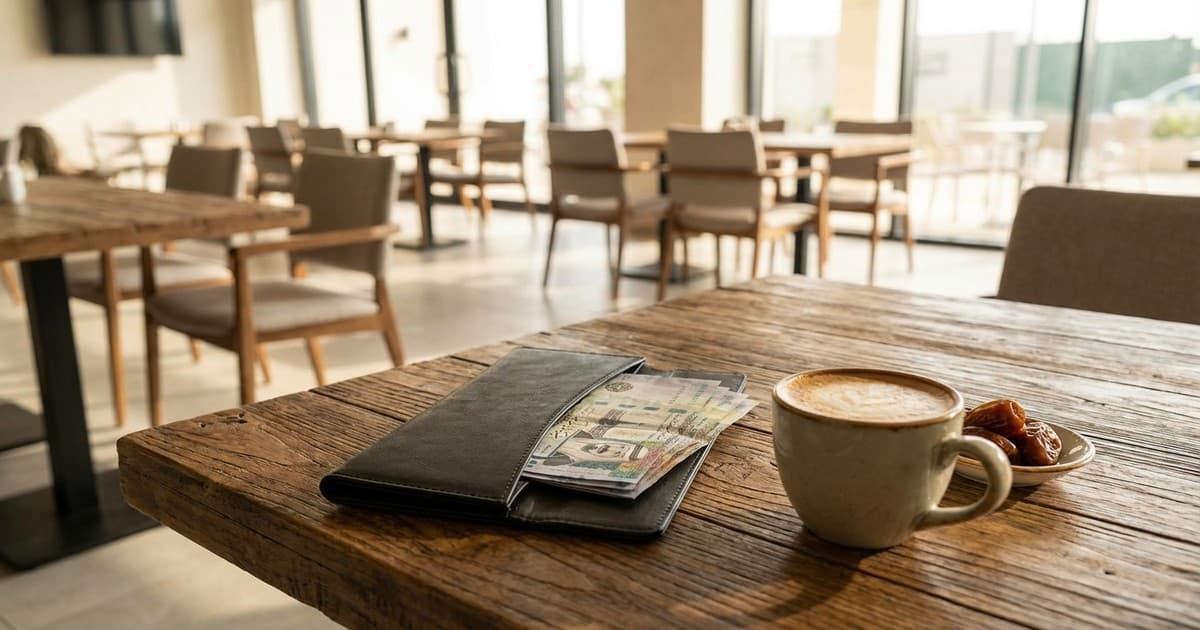
Saudi Arabia's hospitality sector has undergone a massive transformation as the Kingdom opens its doors to global tourism. For many visitors, the rules of social engagement—particularly when it comes to gratuities—can feel ambiguous. While the local culture is rooted in deep generosity, the formal act of tipping in Saudi Arabia has traditionally been less structured than in the West.
Today, as international brands and fine dining proliferate in Riyadh and Jeddah, expectations are shifting toward a more standardized global model that rewards quality service. This shift reflects a broader professionalization of the service industry, where small tokens of appreciation are becoming part of the social fabric of the Kingdom's modernizing major cities.
The general rule for restaurants and cafes
In most casual dining establishments and local eateries, tipping is entirely optional and rarely expected. However, in the burgeoning fine-dining scenes, leaving a gratuity is now seen as a sign of appreciation for exceptional service. While there is no legal requirement to do so, a benchmark of 10% to 15% of the total bill has become the unspoken standard for quality service in upscale venues.
Many high-end restaurants now include a service charge on the final bill, often ranging between 10% and 15%. When this charge is present, there is no obligation to leave an additional tip. Travelers should check their receipts carefully to see if service is already included. If the bill does not feature a service charge, a modest cash tip or a rounded-up total is a polite gesture that reflects the local hospitality culture.
Tipping for transport and hotel services
For taxi drivers and ride-sharing services like Uber or Careem, tipping is not a strict requirement. Most locals simply round up the fare to the nearest whole number or allow the driver to keep the small change. If a driver goes out of their way to assist with heavy luggage or provides useful local insights during a long journey, a small extra payment of five to ten riyals is a meaningful way to show gratitude.
Hotel staff, including porters and housekeeping, also fall into a category where small tips are appreciated but not demanded. A porter carrying several bags to a room might typically receive 10 to 20 Saudi Riyals. Similarly, leaving a small amount for housekeeping at the end of a stay is a gracious touch. These gestures are viewed more as personal gifts for service rather than a transactional necessity in the Saudi context.
Cultural nuances and modern shifts
It is important to remember that Saudi culture values the concept of 'Karam,' or extreme generosity. In many traditional settings, a host might even feel slighted if a guest tries to pay or tip in a way that feels overly transactional. However, in the commercial world of modern tourism, this sentiment is evolving. The focus has moved toward rewarding professional service staff who work in high-pressure environments.
Navigating the nuances of tipping in Saudi Arabia requires a balance of local awareness and modern common sense. As the Kingdom continues to integrate with the global travel market, the practice of leaving a gratuity is becoming more frequent and formalized. While you will never be penalized for not tipping, doing so in a respectful way aligns with the region’s long-standing tradition of rewarding kindness and hospitality.