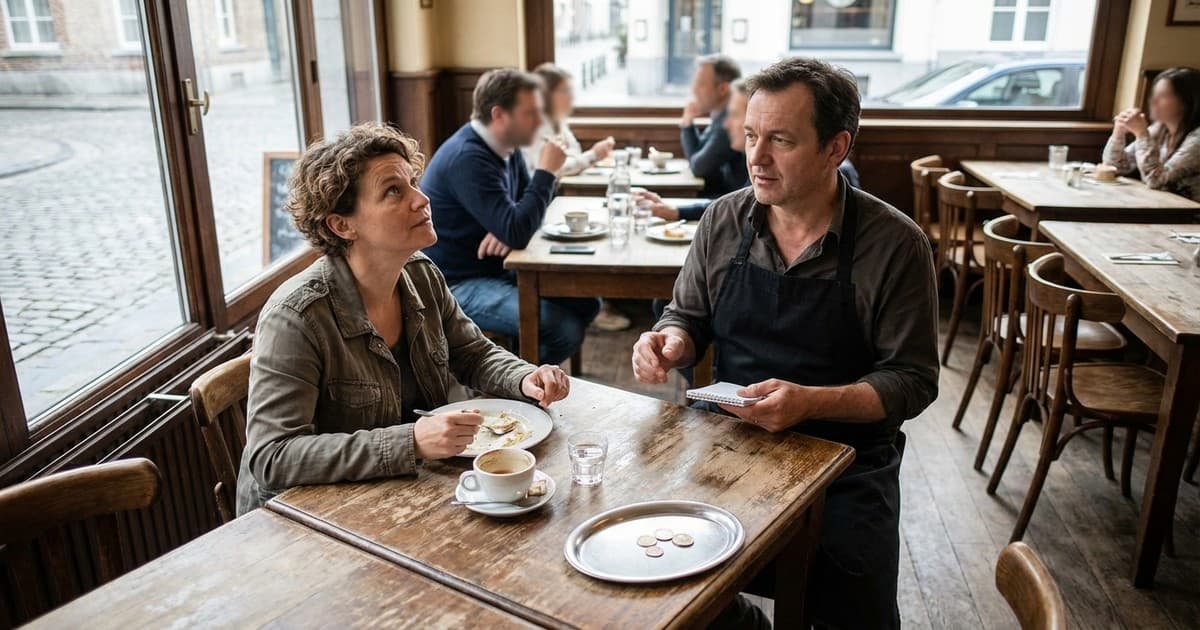
In Belgium, the approach to gratuities differs significantly from the North American model. Service is almost always included in the final price of your meal or drink. Consequently, tipping in Belgium is entirely optional and is reserved for instances where the hospitality truly exceeds expectations.
Navigating Belgian customs requires understanding that wages for hospitality staff are regulated and fair. Unlike regions where servers rely on tips to survive, Belgian workers receive a livable salary. This structural difference creates a relaxed dining atmosphere where the bill you receive is the total amount expected.
The service charge and the law
Since the late 20th century, Belgian law has mandated that "service compris" (service included) be part of the price list. This means the 10 to 15 percent charge typically added as a tip elsewhere is already factored into the menu prices. When you look at a menu in Brussels or Antwerp, the price you see is what you pay.
Because of these regulations, travelers do not need to perform complex mental math at the end of a meal. The value-added tax (VAT) and service fees are baked into the cost. This transparency is a hallmark of the Belgian service industry, ensuring that guests are never caught off guard by hidden fees.
When and how to offer a gratuity
While not mandatory, rounding up the bill is a common way to show appreciation in cafes and casual restaurants. If your coffee and waffle come to 9.20 euros, leaving the change to make it 10 euros is seen as a polite gesture. It is a small nod to the server rather than a calculated percentage.
In high-end dining establishments, the etiquette shifts slightly. For exceptional service during a multi-course dinner, a tip of 5 to 10 percent is generous. However, even in Michelin-starred venues, this remains a choice rather than an obligation. Cash is preferred for tips, as digital systems don't always distribute them to staff.
Taxis, hotels, and daily services
Tipping taxi drivers is not a standard requirement in Belgian cities. Most locals simply round up to the nearest euro or add a single euro for a long journey. If the driver assists with heavy luggage or provides local insights, a slightly larger tip is a kind way to acknowledge the extra effort.
In hotels, the rules are similarly relaxed. Porters may be given one or two euros per bag, and leaving a small amount for housekeeping at the end of a stay is appreciated but not expected. In public restrooms, however, you may encounter a "toilet madam" who expects a small fee, usually around 50 to 70 cents.
Understanding the cultural shift
As we move further into 2026, the rise of contactless payments has changed how Belgians handle small change. Digital terminals now occasionally offer a tipping prompt, a feature imported from international software. Despite this technological nudge, the cultural norm remains firmly rooted in the "service included" philosophy.
If you find yourself unsure, remember that a sincere "thank you" often carries as much weight as a few coins. Belgians value efficiency and professionalism. By following the local lead and avoiding excessive tipping, you respect the social contract that keeps the service industry balanced and fair for everyone involved.
Mastering the nuances of Belgian tipping culture allows for a more authentic and stress-free travel experience. By recognizing that service is a built-in part of the economy, you can focus on the quality of the cuisine and the beauty of the surroundings. Whether you round up a bill or leave a few euros for a porter, your gestures will be seen as genuine appreciation.