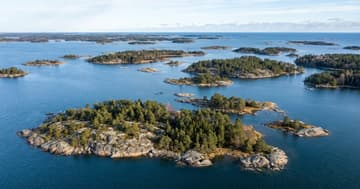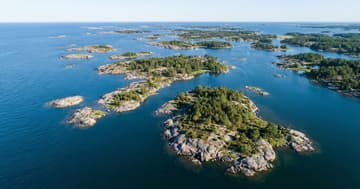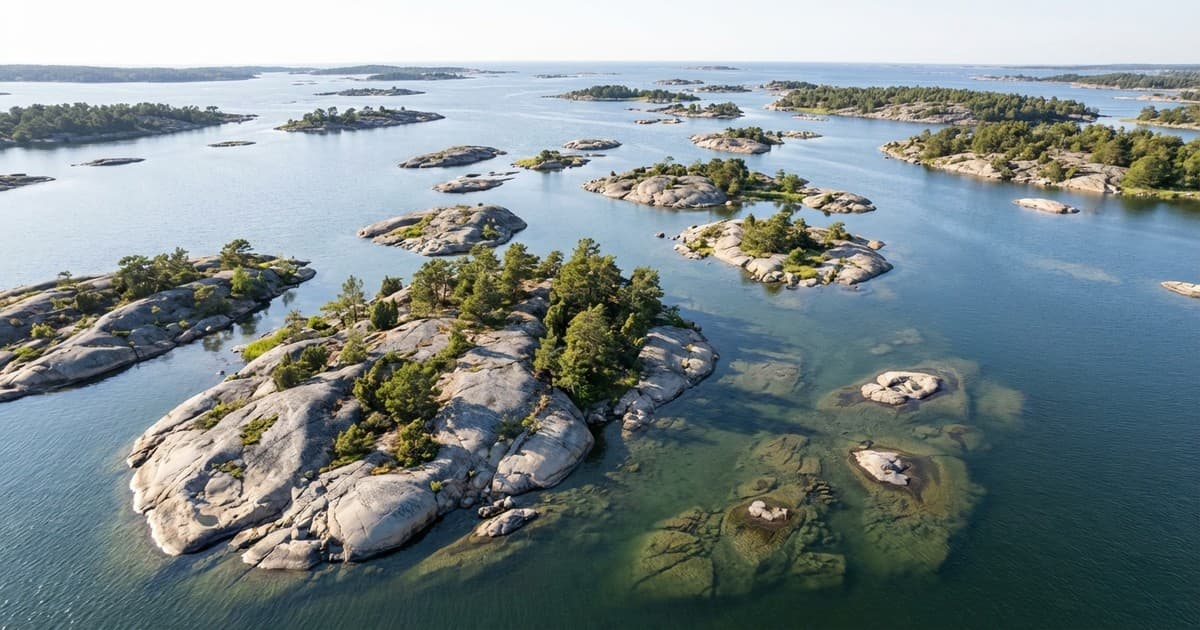
Sweden holds a world record that often surprises geographers. Statistics show the nation is home to over 267,000 islands. This count significantly exceeds totals in nations like Indonesia. The explanation lies in a unique combination of glacial history and geological shifts that continue to reshape the Baltic coastline today.
While many think of archipelagos as tropical, Sweden’s island count is the result of forces that began thousands of years ago. These islands range from large communities to tiny, rocky outcrops that barely peek above the waves. Understanding why Sweden's islands are so numerous requires looking beneath the sea and into the depths of the last major Ice Age.
The weight of the ancient ice
The primary reason Sweden has so many islands is post-glacial rebound, a process where the land rises after being compressed by massive ice sheets. About 20,000 years ago, Sweden was buried under ice several kilometers thick. The weight was so great it pushed the Earth's crust down. As the ice melted, the land began to spring back, a movement that continues to create new land today.
A shifting coastline in the Baltic Sea
Because the Swedish coastline is relatively shallow, even a slight rise in land level can create hundreds of new islands. What were once underwater ridges gradually break the surface of the Baltic Sea. This is not a historical relic; it is happening now. In northern regions, the land is still rising at nearly one centimeter per year, which constantly alters the national map and coastline.
Definitions and the Swedish archipelago
Another factor in the high count is how Sweden defines an island. Authorities classify any piece of land surrounded by water that is at least 25 square meters as an island. This includes thousands of tiny, uninhabited rocky outcrops known as skerries. While many are too small for a house, they contribute to the official tally, making the Swedish archipelago one of the most dense systems on the planet.
A landscape in transition
Sweden’s status as the world’s most island-rich nation is a testament to the power of the last Ice Age. Through post-glacial rebound, the landscape continues to evolve, pushing new ridges above the waves. For the Swedish people, these islands are more than just a statistical record; they are a fundamental part of their national identity and their enduring connection to the sea.
Whether tiny skerries or large inhabited landmasses, they remain a dynamic reminder of the planet's shifting surface. This ongoing transformation ensures that Sweden will likely maintain its lead as the global capital of islands for centuries to come. The geography of the region remains unfinished, as the earth beneath the waves continues its slow and steady upward journey.