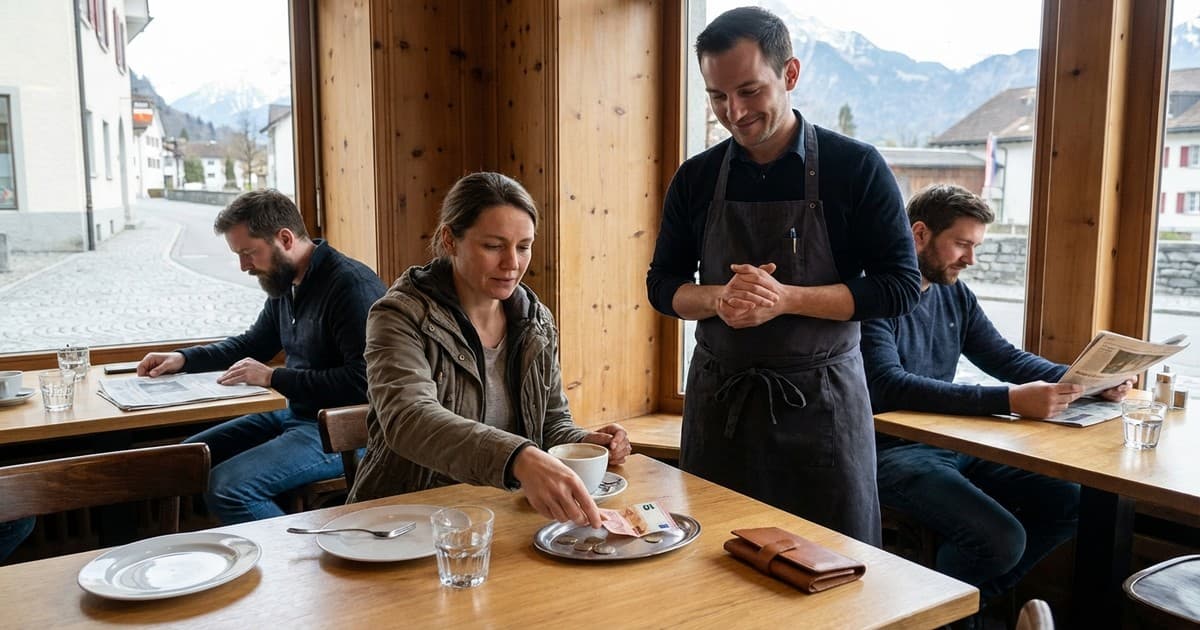
Liechtenstein sits between Switzerland and Austria, sharing much of its economic DNA with the former. When discussing tipping in Liechtenstein, it is essential to understand that service is legally built into the price you see on the menu. This creates a relaxed atmosphere for visitors who might be used to high-pressure gratuity culture. Whether you are in a quiet cafe or a mountainside restaurant, the staff receives a fair wage.
Understanding the service charge model
Navigating these subtle social expectations is part of the charm of this Alpine microstate. While the formal rules are clear, the local reality involves small gestures of gratitude. Travelers often find that global tipping rules vary significantly depending on local labor laws and historical norms. In this principality, the lack of an expected percentage allows for an authentic interaction between the guest and the service provider.
Dining etiquette in Vaduz and beyond
In the local dining scene, the most common practice is rounding up the bill to the nearest round figure in Swiss francs. For a meal costing 47 francs, a customer might tell the server to keep the change from a 50-franc note. Understanding tipping in Europe helps travelers avoid the common mistake of over-tipping or treating a high-end restaurant like a fast-food outlet.
For more formal dining experiences, a slightly larger amount is standard but never mandatory. If the service was exceptional, leaving five to ten percent is viewed as a generous compliment. It is important to hand the tip directly to the server or mention the total amount you wish to pay before they process the card transaction. Leaving money on the table is less common and can sometimes be seen as impersonal in Vaduz dining etiquette.
Taxis and personal services
Transportation and personal services follow a similar logic of convenience and rounding. Taxi drivers do not expect a specific percentage, but rounding up to the nearest five or ten francs is a common courtesy for a smooth ride. At hotels, a few francs for a porter or housekeeping is appreciated if the service goes beyond the standard room rate. These small amounts reflect the high cost of living rather than a strict social obligation.
Cultural nuances and rounding up
Ultimately, the culture of Liechtenstein is one of quiet efficiency and professional distance. Service workers do not rely on tips to make a living wage, which changes the dynamic of the transaction. You will never be chased out of a restaurant for failing to leave extra money. Instead, your tip serves as a genuine signal that you enjoyed the experience and valued the attention to detail provided by the staff during your visit.