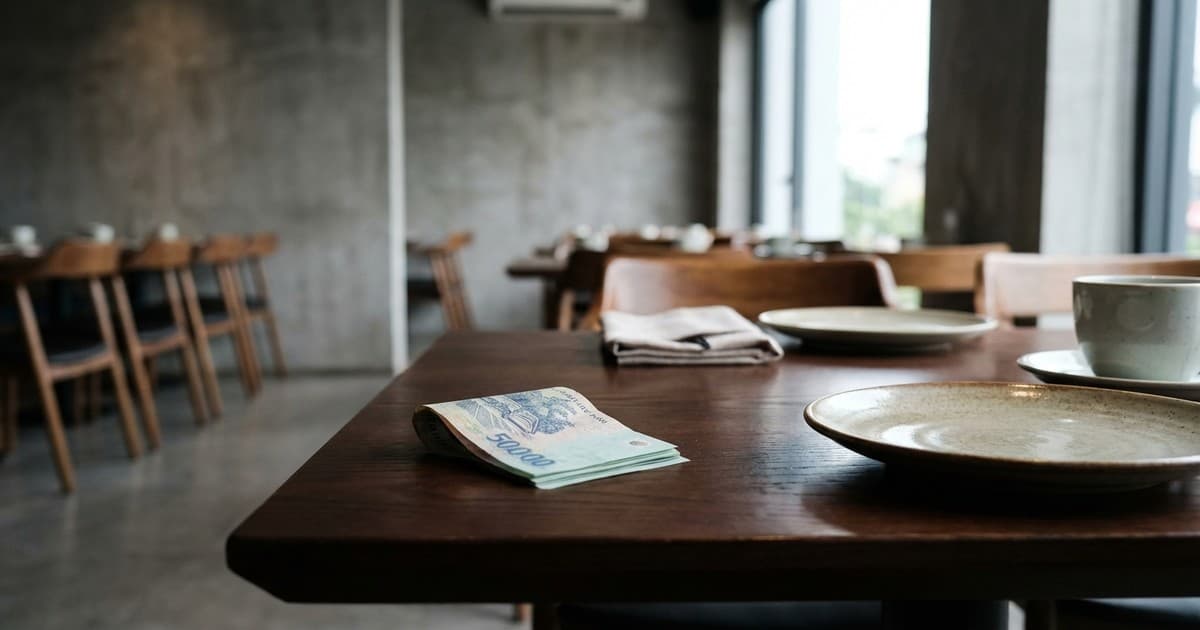
Vietnam remains a country where tipping is appreciated but rarely expected by the local population. For decades, the regional culture relied on fixed pricing and modest service expectations in daily life. However, as international tourism flourishes and major cities like Hanoi and Ho Chi Minh City modernize, the rules of engagement are shifting. This change reflects the nation's rapid economic growth and its integration into the global travel market.
Understanding tipping in Vietnam requires a balance of cultural sensitivity and practical knowledge. While locals rarely tip at street food stalls, upscale hotels and luxury spas now see gratuity as a standard gesture of gratitude. These shifts are most visible in urban centers, where service staff are more accustomed to the habits of Western travelers and the evolving standards of international hospitality.
Dining and street food norms
In local eateries and street-side stalls, tipping is virtually non-existent and rarely anticipated by staff. You might leave small change, but even that can sometimes lead to a waiter chasing you down to return "forgotten" money. The focus here is on the meal's value, and service is often brisk and functional, lacking the formal flourishes found in Western dining cultures. It is best to pay the exact amount requested in these casual settings.
Moving into mid-range and high-end restaurants, the landscape changes significantly. Many upscale establishments now add a 5% to 10% service charge directly to the bill. If this charge is already included, an additional tip is unnecessary. However, if the service was exceptional, leaving an extra 50,000 to 100,000 VND is a generous and well-received gesture that aligns with the growing Vietnam tipping culture in modern cities.
Private tours and transportation
Tour guides and private drivers are the notable exceptions to the "optional" rule in the local tourism industry. These professionals often rely on gratuities to supplement modest base salaries. For a full-day private tour, a tip of $10 to $20 USD per day is a standard benchmark for good service, depending on the group size and the complexity of the itinerary provided by your guide during your travels.
Taxis and ride-sharing apps like Grab operate on a different logic entirely. Most passengers simply round up the fare to the nearest 5,000 or 10,000 VND. It is a small amount for the traveler but serves as a polite acknowledgement of a safe journey through the dense traffic often found in Hanoi or the service charges in Saigon. This practice is quick, efficient, and avoids the need for exact change in a cash-heavy environment.
Spas and wellness services
The wellness industry is perhaps the most tip-centric sector in the country today. In many spas, therapists earn low base wages and depend heavily on customer generosity to make a living. If a service charge is not included in your bill, a tip of 15% to 20% is appropriate for a massage or facial. This has become a key part of travel etiquette for those visiting high-end wellness retreats across the coastal regions.
Some spas provide small envelopes at the reception desk specifically for this purpose. If you are unsure about the policy, it is perfectly acceptable to ask the receptionist if the price includes a gratuity for the staff. Direct hand-to-hand tipping is also common and ensures the money reaches the person who provided the service, maintaining transparency and showing clear appreciation for their specific hard work during your visit.
Cultural context and final thoughts
Navigating gratuity in Vietnam is about context. While the country does not have a mandatory tipping culture, small gestures of appreciation are common in the tourism sector. By keeping small banknotes handy and observing local norms, you can ensure your gratitude is expressed appropriately without causing any awkwardness for your hosts. This approach ensures a respectful interaction regardless of the setting.
Respecting these social cues enhances the travel experience for both the visitor and the host. As the nation evolves as a premier destination, these interactions define the rapport between travelers and the workforce. It is less about the currency and more about recognizing a job well performed in a changing economy. Simple kindness often speaks louder than the amount of money left on the table.