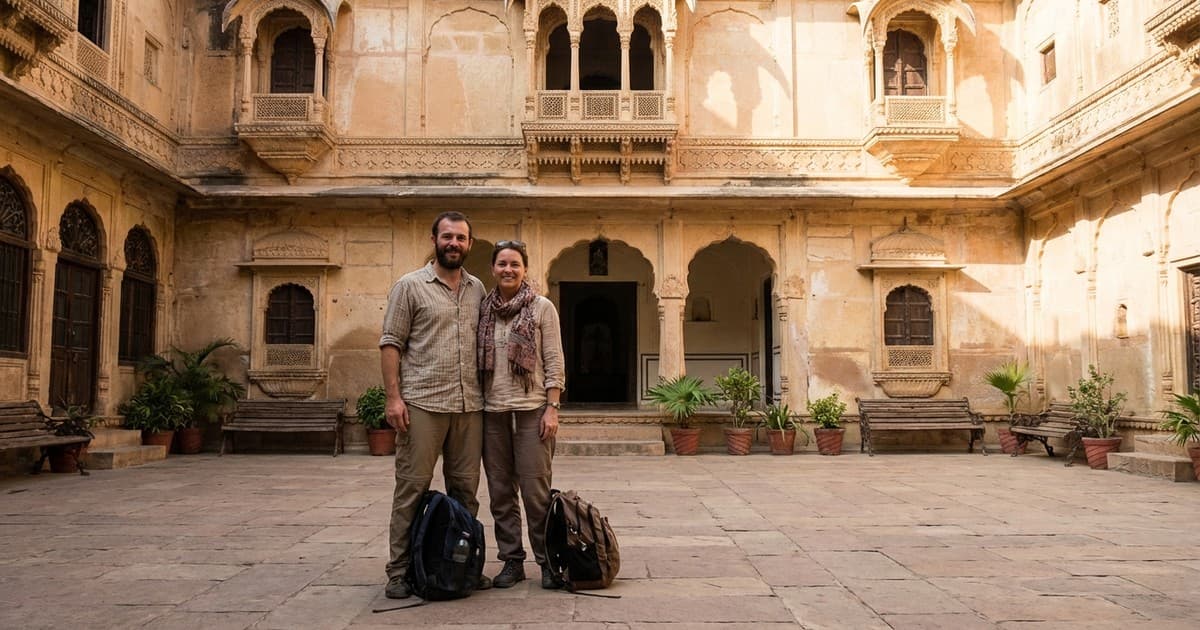
India presents a vast landscape that often requires a structured approach for first-time visitors. A 14 day India tour typically focuses on the northern heritage corridor to maximize time and minimize transit fatigue. This duration allows for a deep examination of the historical architecture in the capital and the royal history of Rajasthan. Travelers often begin in Delhi before moving toward the iconic monuments of Agra and the fortified cities of the desert. Understanding the logistical demands of the subcontinent is essential for creating a balanced itinerary that respects the local pace of life.
Defining the Golden Triangle core
The journey usually starts with the Golden Triangle. This circuit connects Delhi, Agra, and Jaipur. These cities represent the historical seat of power for several empires. Delhi offers a mix of colonial planning and medieval fortifications. Agra serves as the home of the Taj Mahal and the Red Fort. Jaipur introduces the architectural traditions of the Rajput kingdoms. This initial phase often takes five to six days of the total trip duration.
Extending the route into Rajasthan
Beyond the initial triangle, many travelers extend their stay into the state of Rajasthan. The city of Udaipur is frequently selected for its unique lakeside setting and palace architecture. Jodhpur offers a different perspective with its blue-painted houses and the massive Mehrangarh Fort. Including these stops requires careful planning regarding domestic transportation. The distances between these cities can be significant despite their proximity on a map.
Logistics and transit options
Navigating the country requires a choice between road, rail, and air travel. India possesses one of the most extensive railway networks in the world. Trains offer a distinct cultural experience and connect major hubs efficiently. Domestic flights are common for covering long distances like the hop from Jaipur to Udaipur. Private drivers are a standard option for regional exploration. Each method impacts the budget and the time available for sightseeing.
Climate and timing considerations
Timing is a critical factor for any extended stay in South Asia. The period between October and March provides the most temperate weather for northern exploration. During these months, the intense heat of the summer has faded and the monsoon rains have ceased. Travelers visiting in December or January should prepare for cold mornings in the desert regions. High humidity and extreme heat characterize the summer months from April to June.
Planning a two-week journey through India requires a focus on regional depth rather than national breadth. By concentrating on the northern heritage sites, travelers can appreciate the complex history of the region without excessive transit times. Success depends on realistic scheduling and an understanding of local transportation systems. A 14-day window provides a comprehensive introduction to the cultural and architectural foundations of the north.