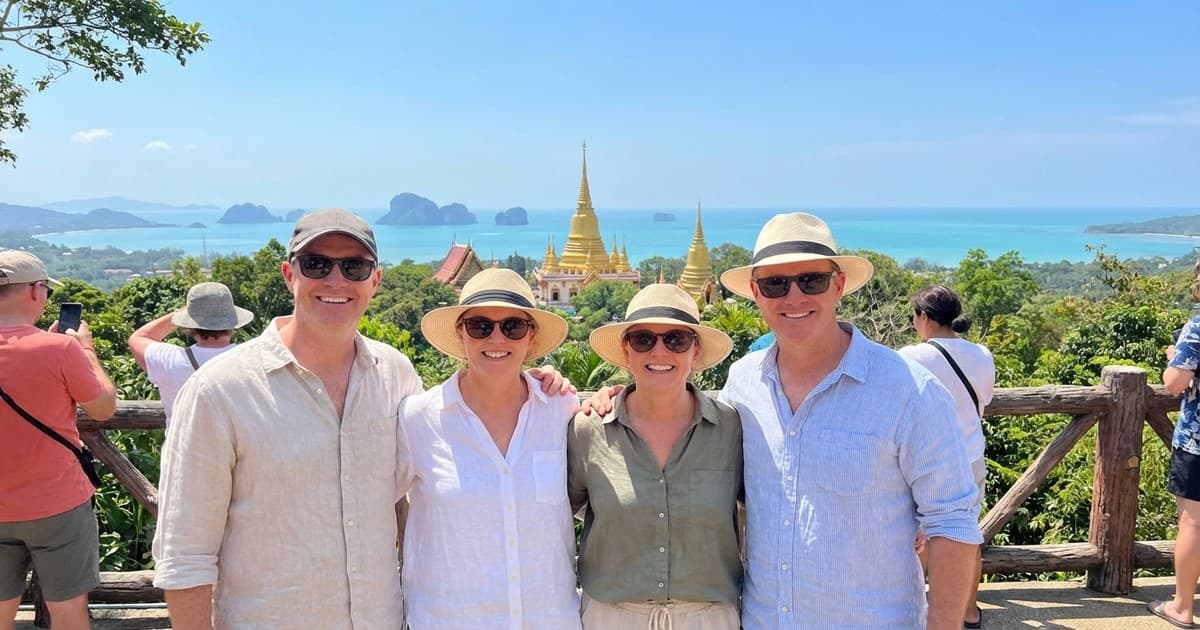
A 12 day Thailand tour provides a comprehensive timeframe to experience the nation's geography. The most effective 12 day Thailand tour combines the urban culture of Bangkok, the northern heritage of Chiang Mai, and the southern islands. This duration allows for a balanced exploration of three provinces without excessive transit. It offers deeper immersion than a standard one-week stay while remaining manageable for most international visitors.
Establishing a base in Bangkok and the central plains
The capital city serves as the standard entry point for most international arrivals. Travelers usually dedicate the first three days to exploring the historical heart of the city. This typically includes the Grand Palace and Wat Pho. The Chao Phraya River acts as a central artery for transit and historical landmarks. Navigating the city via water taxis provides a direct view of the traditional and modern architecture.
A short journey north from the capital leads to Ayutthaya. This UNESCO World Heritage site was once the seat of the Siamese kingdom. Many visitors incorporate a day trip here to view the expansive ruins and brick temples. The site illustrates the historical transition from Khmer-influenced design to unique Thai aesthetics. Returning to Bangkok in the evening allows for a final night in the city before moving north.
Exploring the cultural heritage of northern Thailand
The next phase of a 12 day Thailand tour often shifts to Chiang Mai. This city is the cultural hub of the northern highlands and is located approximately 700 kilometers from Bangkok. A one-hour domestic flight is the most efficient transit method for those on a limited schedule. Travelers generally spend four days in the region to visit mountain temples such as Wat Phra That Doi Suthep and engage with local artisans.
Chiang Mai is also the primary center for ethical wildlife experiences and jungle activities. Nearby sanctuaries offer opportunities to observe elephants in protected environments. The surrounding mountains provide trails for hiking and visits to remote villages. The cooler climate of the north offers a distinct change from the humidity of the central plains. Four days allows for a mix of city exploration and excursions into the forest.
Selecting a coastal destination in southern Thailand
The final four days are typically reserved for the southern provinces. Travelers must choose between the Andaman Sea and the Gulf of Thailand based on current weather patterns. The Andaman coast includes Phuket and Krabi. These areas are characterized by limestone cliffs and clear turquoise water. Direct flights from Chiang Mai to the south take approximately two hours and eliminate the need for a connection in Bangkok.
Alternatively, the Gulf of Thailand contains islands such as Koh Samui and Koh Tao. These islands are often preferable for those traveling during the northern summer months. The regional climate varies between the east and west coasts. Visitors seeking diving and snorkeling often prioritize Koh Tao. Those looking for luxury resorts and developed infrastructure frequently select Phuket or Koh Samui. The choice depends on the specific seasonal monsoon.
Logistics and seasonal considerations for transit
Efficient transportation is critical for maintaining the pace of a 12-day journey. Domestic flights are widely considered the most practical option for moving between the three regions. While sleeper trains and buses are available, they can consume up to 13 or 24 hours respectively. Using air travel ensures that the majority of the time is spent on the ground in each destination. Budget airlines offer frequent services at competitive rates.
Seasonal timing significantly affects the quality of a tour. The period from November to February is the most popular due to cooler temperatures and lower rainfall. The monsoon season generally runs from May to October in the north and west. During these months, heavy afternoon showers are common but rarely disrupt all activities. Understanding these cycles helps travelers prepare for environmental conditions and select the appropriate coastline for beach stays.
A 12 day Thailand tour balances the intensity of urban life with the serenity of the mountains and sea. This structure ensures that a visitor gains a broad perspective on the country's heritage and environment. By prioritizing three core regions and utilizing domestic flights, the schedule remains sustainable. The combination of historical ruins, northern culture, and tropical coastlines defines the quintessential Thai travel experience for modern visitors.