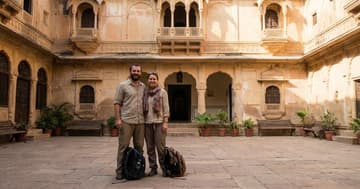
A 10 day Bali holiday offers sufficient time to explore the diverse landscapes of the Indonesian province. Travelers typically divide their stay between the cultural heart of the interior and the coastal regions. Success depends on understanding local logistics and seasonal weather patterns. This timeframe allows for a balanced exploration of both popular hubs and rural districts.
Understanding regional geography and logistics
Bali implemented a mandatory tourist levy in 2024. This fee applies to all foreign visitors entering the province. International travelers must also secure a Visa on Arrival or an electronic version before landing. These administrative steps are essential for entry. They support the preservation of the island's environmental and cultural heritage.
Geography plays a critical role in itinerary planning. The island is divided into distinct zones that offer different experiences. The south is known for its beaches and nightlife. The central highlands focus on spirituality and nature. The north and east coasts provide a quieter environment for diving and traditional village life.
Cultural immersion in the central highlands
Ubud serves as the primary base for those interested in the arts and traditional Balinese architecture. The region offers cooler temperatures and proximity to the famous Tegalalang rice terraces. Most visitors allocate three to four days here. This allows time to visit the Sacred Monkey Forest Sanctuary and local artisan workshops.
The central region also provides access to major Hindu temples like Pura Tirta Empul. These sites are active places of worship. Visitors must adhere to strict dress codes including the use of a sarong. Understanding these cultural norms is vital for a respectful visit to any sacred site on the island.
Coastal diversity and southern hubs
Coastal areas like Uluwatu and Canggu cater to different preferences. Uluwatu is known for its limestone cliffs and world-class surfing breaks. Canggu provides a contemporary atmosphere with many cafes and boutique stores. Choosing between these areas depends on whether a traveler prioritizes rugged scenery or social activity.
Extended stays often include a trip to the northern or eastern coasts. Amed and Lovina provide a slower pace compared to the bustling southern districts. These regions are favored for snorkeling and diving due to calm waters. Travel times to these areas can exceed three hours from the main airport in Denpasar.
Essential transport and safety
Transportation on the island relies heavily on private drivers or ride-hailing applications. Infrastructure challenges lead to significant traffic congestion in the south. Planning travel during off-peak hours can reduce time spent in transit. Renting scooters is a common practice but requires an international driving permit.
A 10 day stay provides a comprehensive introduction to the island. By prioritizing two or three distinct regions, visitors can experience the breadth of the culture. Clear planning regarding entry requirements and transport ensures a smoother experience. The island remains a complex destination that rewards careful logistical preparation.