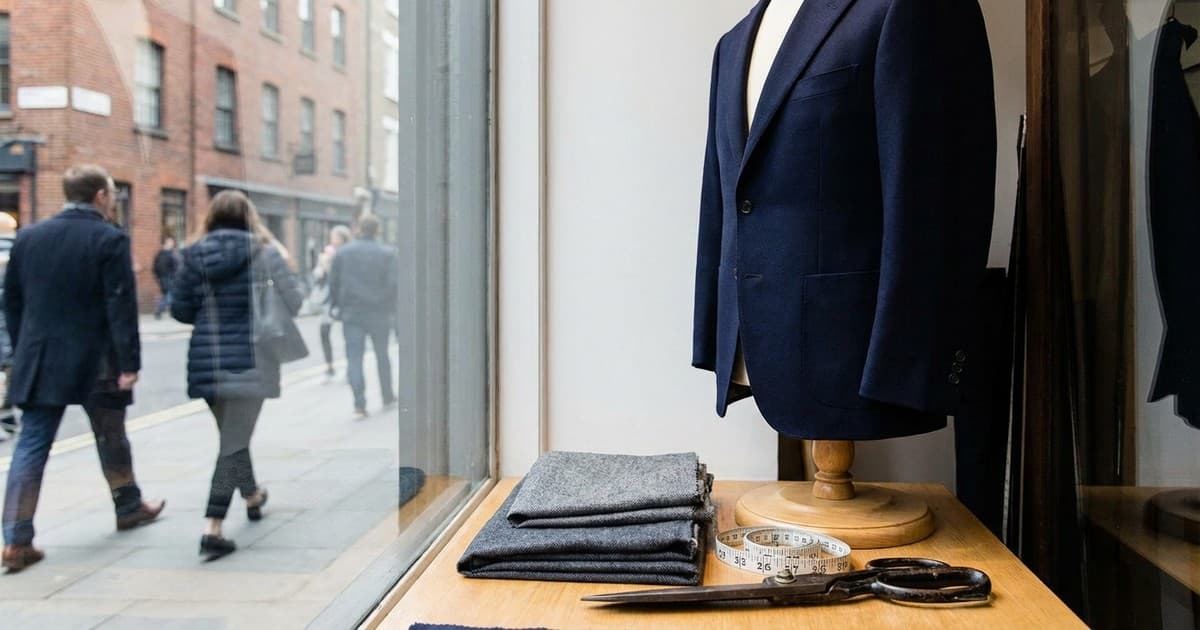
To the casual observer, "dressing sharp" implies wearing a suit or a crisp shirt. Yet, the distinction between looking tidy and looking truly authoritative comes down to the physical architecture of the clothes. Sharpness is not a byproduct of fabric quality alone; it is the result of how a garment manipulates line and volume. This internal integrity, known as menswear structure, creates a deliberate, reinforced frame for the body.
By prioritizing how a garment is built, a wearer projects a discipline that casual clothing cannot replicate. It is the hidden engineering within a jacket that defines the visual boundaries of a professional image. This foundation allows a person to move past basic fashion toward a mastery of personal style that feels intentionally powerful. Understanding this foundation is the first step toward a timeless and authoritative appearance.
The fundamental difference between fit and structure
Many men confuse fit with structure. While fit ensures a garment is neither too tight nor too loose, structure provides the garment with its own independent shape. A structured jacket will maintain its form even when it is not being worn. This architectural quality allows the clothing to mask physical irregularities and project a more balanced image. It effectively builds a better silhouette than the body could provide on its own.
The architectural role of the shoulder line
The most critical element of a structured look is the shoulder line. In tailoring, the shoulder serves as the anchor from which the rest of the garment hangs. By using padding or roping, a tailor can broaden the appearance of the chest and create a more masculine V-shape. Without this structural foundation, fabrics tend to drape or sag, leading to a "soft" appearance that contradicts the visual language of professional sharpness.
Understanding internal reinforcements and canvassing
What makes a garment sharp is often invisible to the eye. High-quality tailoring relies on internal layers like horsehair canvassing to support the outer fabric. These components prevent the material from collapsing around the wearer’s torso. Over time, a canvassed jacket even molds to the body while retaining its clean edges, ensuring the wearer looks just as polished at the end of the day as they did when they first stepped out.
How fabric weight supports a sharp silhouette
Structure is also heavily influenced by the weight and weave of the material. Heavier cloths, such as flannel or high-twist wool, hold a crease better and resist wrinkling. These fabrics support the garment's internal architecture, allowing for the sharp, vertical lines that draw the eye upward. In contrast, lightweight or flimsy materials often lack the tension required to sustain a sharp look, regardless of how well they are cut.
Dressing sharp is an intentional act of construction rather than a simple choice of style. By prioritizing the internal and external structure of a wardrobe, an individual can project a sense of discipline and professionalism. It is the architectural strength of the clothing—the crisp shoulders, the reinforced chest, and the clean drape—that creates the lasting impression of authority. Mastery of structure is the true hallmark of style.