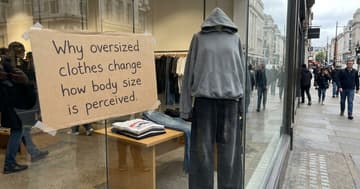
For decades, stylists have categorized human bodies into geometric shapes. From "pears" to "inverted triangles," these labels suggest a biological foundation for how we dress. However, a closer look at these body shape guides reveals they are more cultural than scientific. They function as marketing frameworks designed to simplify complex human anatomy for the mass-market fashion industry.
These definitions prioritize industrial convenience and aesthetic trends over biological diversity. While presented as objective truths, they are actually reflections of manufacturing needs. Understanding this distinction is key to navigating style without feeling constrained by rigid categories that rarely align with the reality of living bodies. By deconstructing these guides, we can see how they serve commerce rather than health.
The myth of the permanent silhouette
Many people assume that categories like the hourglass figure are timeless ideals of health. In reality, these silhouettes are products of fashion history rather than evolution. In the early 20th century, the boyish rectangular frame was the height of sophistication, while the mid-century era prioritized a dramatic waist-to-hip ratio. These shifts did not occur because human DNA changed, but because the definition of beauty moved.
The science cited in these guides is often misinterpreted. Many systems borrow from somatotypes, a 1940s theory by psychologist William Sheldon. He attempted to link body builds to personality traits, a concept that has since been largely discredited by the scientific community. Despite this, the terminology persists in fashion circles, giving an air of academic authority to what is essentially a set of styling tips for mass-produced clothing.
Simplification for the assembly line
From a manufacturing perspective, body shape guides are tools of efficiency. Creating clothes for the infinite variety of the human form is expensive and difficult. By standardizing bodies into four or five archetypes, brands can create patterns that fit a theoretical average. This creates a feedback loop: consumers learn to identify as a type to find clothes that fit, reinforcing the idea that these shapes are natural rather than industrial.
Modern data suggests that very few people actually fit perfectly into these rigid categories. A study of thousands of women's body measurements found that most did not align with the traditional hourglass or pear definitions used by retailers. The reality is that human bodies are a spectrum of proportions influenced by genetics, age, and lifestyle. When we treat these guides as scientific law, we ignore the biological diversity that exists.
A more liberated approach to style
Ultimately, body shape guides are a lens through which we view ourselves, shaped by the commerce and culture of the day. They offer a sense of order in a world of endless choices, but they should not be mistaken for medical or anatomical truth. Recognizing that these categories are social constructs allows for a more liberated approach to style. By moving away from rigid labels, we can appreciate the body as a unique biological reality.