Modern living is increasingly defined by sleek surfaces and minimalist aesthetics. From the smartphones in our pockets to the appliances in our kitchens, modern object design has shifted its focus. This evolution often prioritizes visual trends and manufacturing efficiency over the basic biological comfort of the end user, moving away from the physical needs of the human hand and eye.
This shift is not accidental. As our lives move deeper into digital ecosystems, industrial design aims for a seamless look that matches our screens. However, this often results in products that are aesthetically pleasing but physically frustrating. We are seeing a quiet crisis in ergonomics where the "modern" look is a higher priority than how a human being actually interacts with a physical object in space.
The disappearance of tactile feedback
One of the most glaring examples is the rise of the glass dashboard. Car manufacturers have replaced physical knobs and buttons with flat touchscreens. While this looks futuristic, it ignores the human need for tactile feedback. A driver must now take their eyes off the road to adjust the temperature. What was once a simple, muscle-memory task has become a cognitive burden driven by a desire for a high-tech interior.
Furniture that mocks anatomy
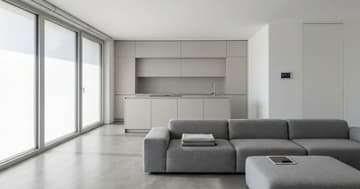
Home interiors are also undergoing a radical transformation. Many contemporary chairs and sofas are designed as sculptural statements rather than supportive seating. High-end modernism often favors sharp angles and rigid materials that look striking in photographs but fail to support the natural curve of the human spine. The goal is no longer to cradle the body, but to serve as a visual anchor in a curated living space.
The complexity of smart simplicity
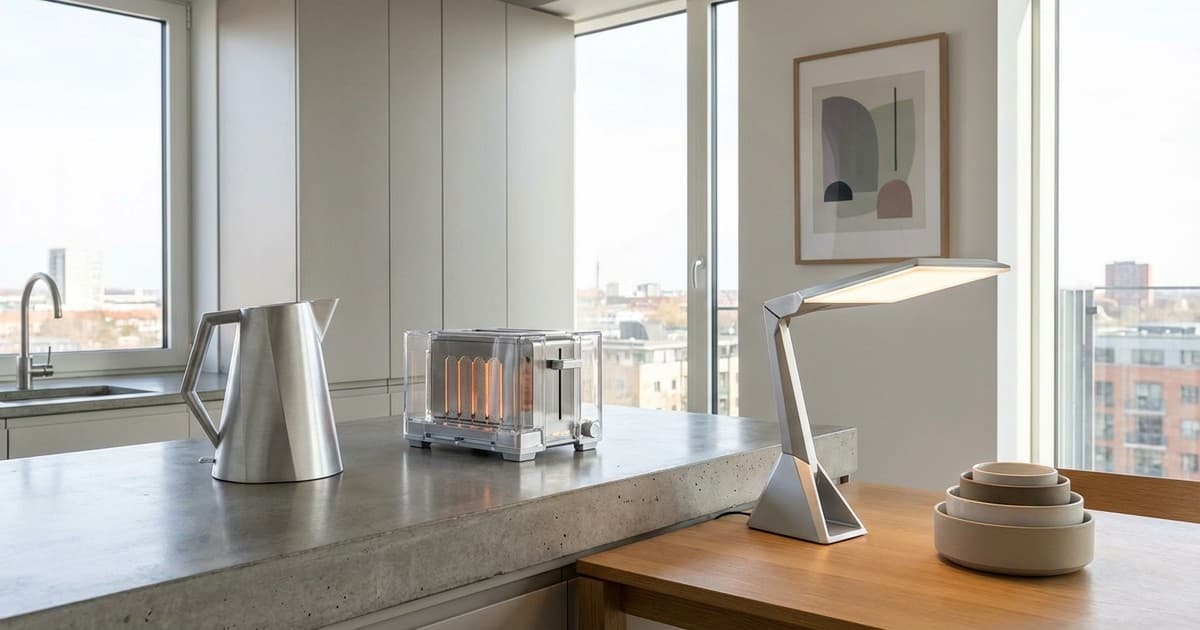
We are also witnessing the "smart" complication of once-simple tools. Kettles, light bulbs, and even toothbrushes now frequently require smartphone integration to access features. This adds layers of digital friction to everyday actions. Instead of a direct physical interface, we are forced to navigate menus and software updates. It is a redesign that serves data collection and branding more than it serves the actual user experience.
Returning to the human scale
As we look toward the future, the challenge for designers will be to reconcile aesthetic progress with biological reality. The most successful objects of the past were those that felt like extensions of the self. To reclaim that, the industry must look past the lure of the sleek look and return to human-centric ergonomics. True innovation should make life easier, not just make our surroundings look more like a digital render.