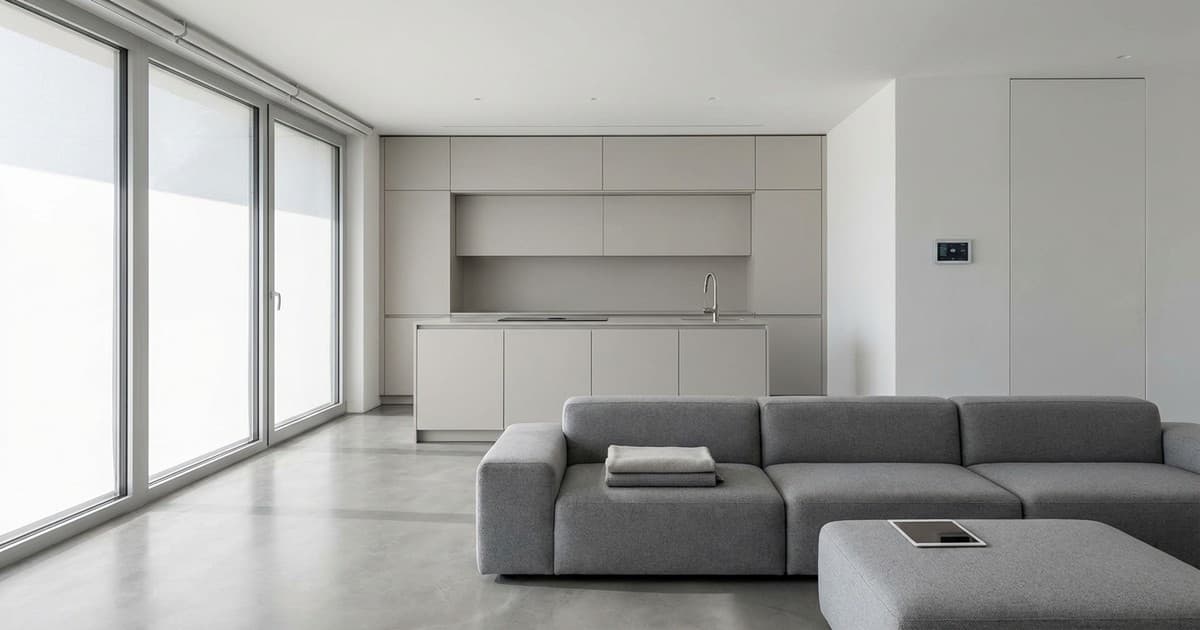
For decades, the primary goal of residential design was the inhabitant’s ease and satisfaction. However, as we enter 2026, the global industry has undergone a fundamental shift. Today, modern home efficiency has become the primary metric of success, driven by rising energy costs, strict climate mandates, and the demand for quantifiable property value in a green market.
While these economic and regulatory pressures are necessary, the result is a new generation of airtight, engineered spaces. These structures excel at heat retention but sometimes fail to provide the expansive, breathable atmosphere that many homeowners still crave. This prioritization of performance over feeling marks a significant turning point in the philosophy of modern architectural history.
The technical triumph of the airtight envelope
Modern building codes now demand unprecedented levels of airtightness to conserve resources. By sealing a structure against the elements, developers can meet strict carbon-neutral targets and lower monthly utility bills significantly. This technical victory ensures that heat stays in and the cold stays out, making the contemporary home a high-performing thermal machine designed for the climate reality of 2026.
Yet, this obsession with performance often ignores the sensory experience of living. An airtight home requires complex mechanical ventilation systems to ensure air quality remains safe. When these systems fail or underperform, the efficient space can feel stagnant or sterile, lacking the natural air movement and refreshing breeze found in older, less efficient builds that breathed naturally through their walls.
Economics and the standardized living space
Developers and investors prioritize efficiency because it is a quantifiable metric. A high energy rating increases property value and appeals to the environmentally conscious buyer immediately. This data-driven approach allows for easier marketing and faster sales in a competitive real estate market, where green labels have become the most essential currency for any new residential development or major renovation project.
Comfort, by contrast, is subjective and notoriously difficult to measure with sensors. The feeling of a thick masonry wall or the specific quality of sunlight in a room does not fit into an energy performance spreadsheet. As a result, builders often choose thin, high-tech insulation materials that maximize floor space and efficiency but lack the tactile warmth and permanence of traditional building materials.
Rethinking the definition of domestic well-being
The focus on efficiency has also altered the internal layout of the modern dwelling. Open-plan designs are now frequently optimized for airflow and thermal distribution rather than privacy or acoustics. While this lowers the energy required to heat the home, it often creates a noisy environment that struggles to provide the true sanctuary that people expect from their personal living spaces in an increasingly busy world.
Restoring the human balance
The shift toward efficiency is a necessary response to a changing climate, but it should not be the sole focus of modern design. A truly successful home must do more than just lower a utility bill; it must provide a genuine sense of place and emotional well-being. Moving forward, the industry must ensure that the house of the future is as welcoming and tactile as it is technologically optimized.