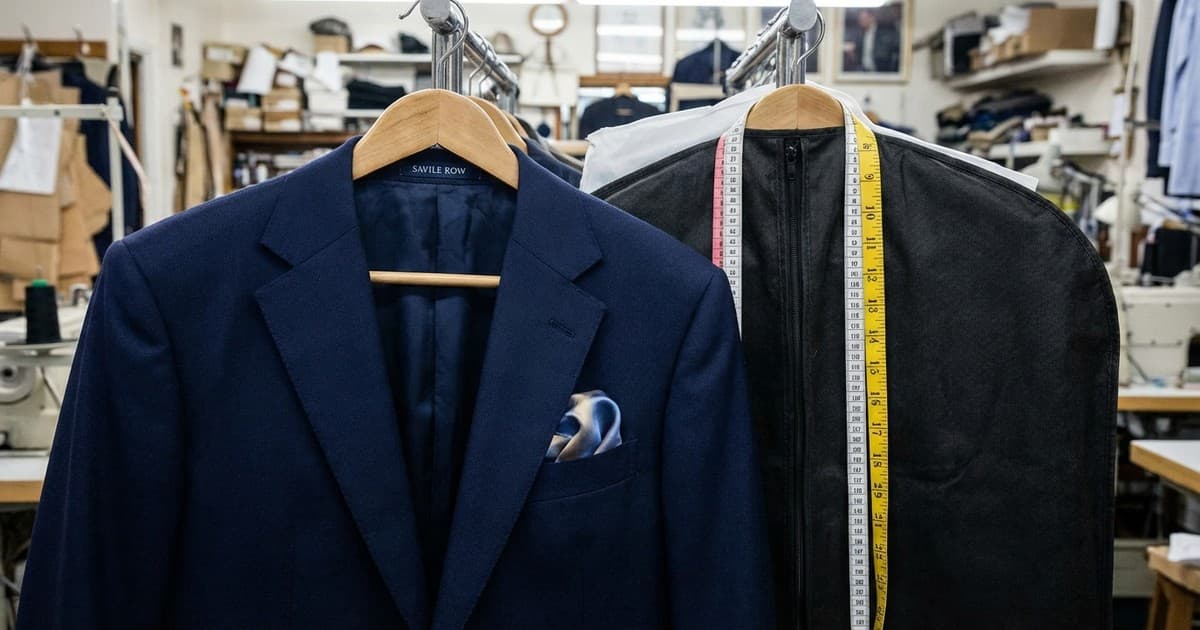
For decades, status was broadcast through the conspicuous display of designer logos. Today, that hierarchy has shifted toward a more subtle, technical indicator of success. The way a garment interacts with the wearer’s frame—the clothing fit—has emerged as the definitive signal of both high status and personal confidence in professional and social circles.
This transition reflects a move away from fast fashion toward intentionality. While anyone can buy an expensive label, achieving a perfect silhouette requires a significant investment in time or professional alteration. In a world of mass-produced goods, a garment molded to the body suggests a level of discernment that off-the-rack items cannot replicate, signaling a mastery of personal style.
The psychology of sartorial confidence
Psychologists have long noted the enclothed cognition effect, where the clothes we wear influence our mental processes. A sharp fit provides more than just a visual aesthetic; it offers a physical sensation of structure and support. This tactile feedback reinforces a sense of control, often translating into more assertive body language and clearer communication during high-stakes professional interactions.
When a suit or dress fits correctly, the wearer is freed from the distraction of constant adjustment. There is no tugging at sleeves or repositioning of waistbands throughout the day. This lack of fuss signals that the individual is comfortable in their skin and focused on the task at hand. In modern leadership, this ease is frequently interpreted as a mark of sartorial confidence and internal stability.
Beyond the logo: The rise of quiet luxury
The move toward precision over branding is a cornerstone of the quiet luxury movement. High-net-worth individuals are increasingly opting for bespoke tailoring and custom-made pieces that lack visible identifiers. The value lies in the construction, the drape of the fabric, and how it highlights the wearer’s best features while masking perceived imperfections through expert craftsmanship and technical skill.
This shift makes status harder to mimic. In the past, a logo was a universal shorthand for wealth. Now, recognizing a superior fit requires a more educated eye. This creates an in-group dynamic where those who understand the nuances of tailoring can identify one another without the need for loud branding, effectively turning the garment’s silhouette into a private handshake among the global elite.
From mass production back to the individual
Historically, custom clothing was the only option for the upper classes. The Industrial Revolution introduced standardized sizing, which democratized fashion but sacrificed the unique geometry of the human form. By returning to a focus on fit, modern consumers are reclaiming their individuality. They are choosing pieces that respect their specific proportions rather than trying to conform to a generic factory mold.
Modern technology, from 3D body scanning to AI-driven sizing tools, is making high-end fit more accessible to the average professional. However, the traditional tailor remains the gold standard for achieving that elusive look. Whether through minor alterations or full bespoke services, the goal is to create a visual harmony that suggests the clothing was made for the person, not for the anonymous masses.
A return to authentic self-expression
The modern focus on how a garment sits on the body is more than a fleeting trend; it is a return to authentic self-expression. By prioritizing clothing fit, individuals signal a deep respect for their own image and a mastery over the details that define professional excellence. Ultimately, true status is found in the quiet confidence that comes from a garment that belongs on the frame, serving as a testament to self-assurance.