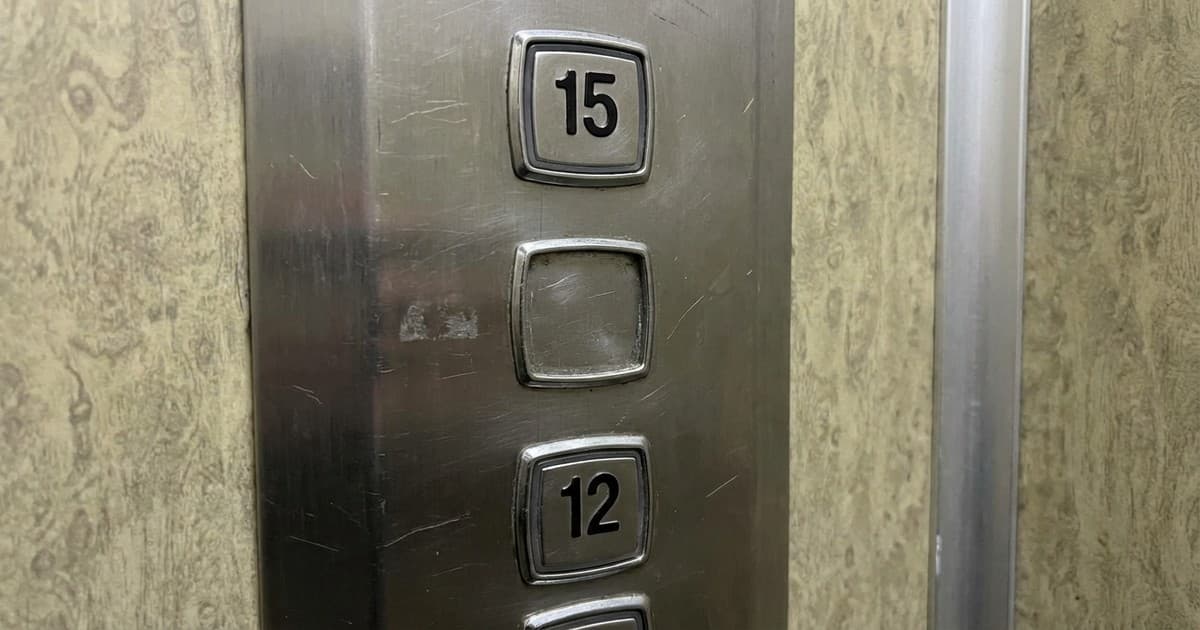
Have you ever noticed a missing button on an elevator panel? While ascending a high-rise, the display might jump from 12 to 14, or skip the number 4 entirely. This intentional omission of elevator floor numbers isn't a mechanical error. It is a calculated decision by developers to navigate deep-seated cultural fears and ensure the commercial viability of a building.
The primary reason elevators skip certain floor numbers is superstition, specifically the fear of numbers like 13 in the West or 4 in parts of Asia. Developers realize that many tenants are reluctant to live or work on floors associated with bad luck. By simply relabeling these levels, owners avoid vacancies and maintain property values without changing the physical structure of the skyscraper.
The 13th floor and Western triskaidekaphobia
In North America and Europe, triskaidekaphobia—the fear of the number 13—dominates building design. Otis Elevators, a leading manufacturer, once estimated that up to 85% of elevator panels in U.S. high-rises omit the 13th floor. While the floor physically exists, it is often rebranded as "14" or designated as "M" for mechanical equipment to appease superstitious occupants and visitors.
Tetraphobia and the missing number four
A similar phenomenon occurs in East Asian cultures, where tetraphobia, or the fear of the number 4, is prevalent. In Mandarin, Cantonese, and Japanese, the word for "four" sounds remarkably similar to the word for "death." Consequently, many hotels and residential towers in cities like Hong Kong or Seoul skip floor 4, 14, or any number ending in 4 to avoid the negative association and maintain tenant comfort.
Mechanical floors and structural gaps
Beyond cultural anxieties, some gaps are purely functional. Modern architecture often incorporates double-height mechanical floors to house heavy HVAC equipment or water tanks. These levels are rarely accessible to the public. To simplify navigation for residents, architects may choose to skip these numbers on the keypad, ensuring the sequence of occupied floors remains intuitive for daily users.
The missing numbers on an elevator panel serve as a fascinating intersection of architecture and human psychology. While we live in a technologically advanced era, these omissions prove that ancient beliefs still influence how we construct our urban environments. Ultimately, skipping a floor is a pragmatic solution to a psychological hurdle, ensuring that buildings remain welcoming and marketable to everyone.