Most of us have experienced that fleeting moment of instability after stepping out of a lift. It is a strange, phantom sensation where the ground feels like it is still moving beneath your feet. While usually brief, this phenomenon is rooted in how our brains process movement in enclosed spaces. Understanding why elevators make you dizzy requires looking at the delicate balance between our inner ears and our eyes. This common occurrence is more than just a momentary lapse in coordination; it is a complex physiological reaction to rapid vertical travel.
The science of sensory conflict
At the heart of this disorientation is a phenomenon known as sensory conflict. This occurs when your vestibular system—the balance center in your inner ear—detects the elevator’s acceleration or deceleration, but your eyes do not see any corresponding movement. Because the walls of the car are stationary relative to your body, your brain receives two sets of clashing data. One says you are moving fast, while the other says you are standing perfectly still.
How the inner ear responds to motion
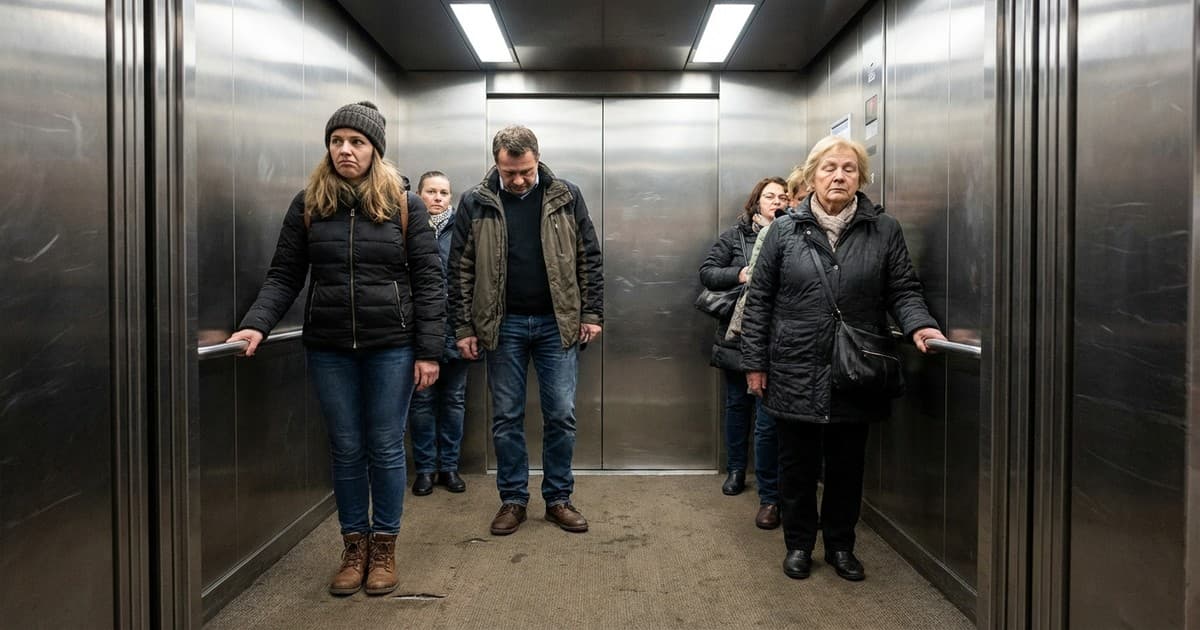
The vestibular system uses tiny fluid-filled canals to track the position of your head and the pull of gravity. When an elevator starts or stops, the fluid shifts, signaling to the brain that vertical motion is happening. However, in a windowless car, there are no moving visual landmarks to confirm this change. This mismatch confuses the nervous system, leading to that familiar feeling of lightheadedness or a brief "dropping" sensation in the stomach.
The transition to solid ground
Disorientation is often most acute the moment the doors open. This is due to inertia and the time it takes for the brain to recalibrate to a solid, stationary floor. For a few seconds, your proprioception—the body's internal map of where it is in space—is still tuned to the vertical forces of the lift. As you step onto stable ground, your brain must quickly switch back to horizontal navigation, a transition that can cause a momentary stumble.
External factors and pressure changes
Beyond balance, subtle changes in air pressure during rapid ascent in high-rise buildings can affect the middle ear. This pressure shift can cause a feeling of "fullness" or mild vertigo. Additionally, for some people, the enclosed nature of the space triggers a mild stress response. Anxiety naturally heightens sensory awareness, making any slight imbalance feel more significant. This combination of physical and psychological factors explains why the sensation is so widespread.
Conclusion
For most people, elevator-induced dizziness is a harmless, temporary glitch in human biology. It serves as a reminder of how reliant we are on consistent sensory input to navigate the world. Usually, the brain corrects itself within seconds of returning to a stable environment. However, if the spinning sensation persists long after the ride ends, it may indicate a heightened sensitivity to motion. Most of the time, simply focusing on a fixed point outside the elevator can help the body reset.