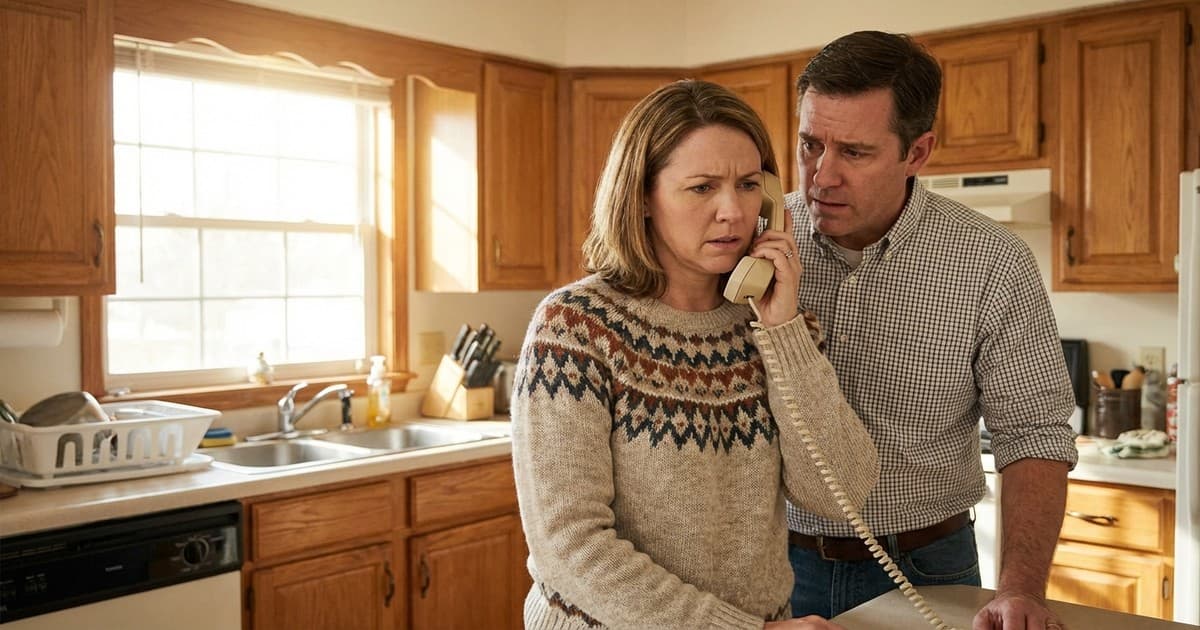
Before the digital age, calling for help was a complex task. There was no single code to reach the police or fire department. Instead, people had to remember multiple local digits or rely on an operator. This changed in the late 1960s with the birth of a three-digit standard. Understanding the 911 emergency number history reveals a shift from local patchwork systems to a unified national infrastructure that saves lives every single day.
This evolution represents a milestone in public service and technology. It turned a confusing maze of numbers into a simple, reliable tool for everyone. By consolidating emergency responses, the system removed the friction of memory during high-stress events. Today, we view this code as a basic human right, though its implementation was a difficult process that required cooperation between various government agencies and private telecommunications companies.
Life before the universal code
Before the standard was adopted, people often asked what was the emergency number before 911 only to find there wasn't one. Callers typically dialed '0' for a telephone operator or looked up specific seven-digit numbers for their local police departments. This manual process was slow and often led to fatal delays. Victims frequently struggled to find the correct digits while under intense pressure during an actual crisis or life-threatening situation.
In many rural areas, the process was even more fragmented. A single town might have different numbers for various services, and those numbers often changed as phone companies expanded. This confusion was the primary driver for a national standard. The federal government eventually recognized that a simple, memorable three-digit sequence was necessary to ensure public safety in an urbanizing nation that required a faster way to contact the local authorities.
The birth of the three-digit standard
The transition began in the mid-20th century. While the United Kingdom had established 999 as early as 1937, the United States didn't adopt a similar system until much later. In 1967, the Federal Communications Commission met with AT&T to find a solution. They eventually settled on a sequence that was brief, easy to remember, and distinct from any existing area codes or service prefixes used at that specific time in the national phone network.
The first call using the new system took place in Haleyville, Alabama, on February 16, 1968. Speaker of the House Rankin Fite made the inaugural call from the town's city hall to the local police station. This marked the official moment when was 911 emergency number started as a functioning public utility. Although it began in a small town, the technology quickly spread to major metropolitan centers across the country within the following decade.
Global adoption and engineering
AT&T engineers chose 911 because it was technically compatible with the switching systems of the era. On rotary phones, the numbers 9-1-1 were easy to find by touch, even in the dark. Today, the system is synonymous with the 911 emergency number which country originated it: the United States. Canada later adopted the same digits, creating a North American standard for emergency communications that remains the global gold standard today.
While North America relies on 911, the global emergency number list varies significantly. For example, the European Union primarily uses 112, while the United Kingdom continues to use 999. In many parts of the world, 911 has become so culturally pervasive due to media that local systems are often programmed to redirect 911 calls to the local dispatch center. This ensures that travelers can reach help even if they do not know the local code.
A legacy of public safety
The evolution of the 911 system represents one of the most significant advancements in public safety infrastructure. Moving from a scattered list of local digits to a single, recognizable code allowed for faster response times and more efficient dispatching. As technology moves toward Next Generation 911, integrating video and text capabilities, the core mission remains the same. This three-digit code is a vital link between citizens and life-saving help.