It’s a familiar sequence: a slow fade-in, a deep bass pulse, and a cover of a classic pop song reimagined as a funeral dirge. Whether it is a superhero epic or a quiet indie drama, promotional clips today often share a nearly identical DNA. This similarity is not accidental.
This phenomenon is not the result of creative laziness. Instead, movie trailer formulas are driven by psychological triggers and risk-averse marketing strategies designed to guarantee an emotional response within seconds. Understanding these patterns reveals a sophisticated industry built on data-driven editing and decades of audience testing.
The three-act structure of promotion
The structure of a modern trailer typically mirrors a compressed three-act play. The first thirty seconds establish the setting and the protagonist's normal life, usually accompanied by melodic, sparse soundscapes. This setup is crucial for grounding the viewer before the inevitable shift. By adhering to this familiar rhythm, editors can quickly convey complex premises to a digital audience that often decides whether to keep watching in under five seconds.
Soundscapes and the psychology of tension
Music plays perhaps the most significant role in these cinematic tropes. The rise of the "braam" sound—a low-frequency brass blast—remains a staple for building tension. Today, editors frequently use rhythmic ticking sounds or distorted orchestral swells to create a sense of urgency. These auditory cues signal to the brain that something important is happening, even if the footage itself is relatively mundane or lacks specific narrative context.
The power of the melancholic cover song
Marketing psychology also dictates the "trailerized" cover song. Taking a cheerful, well-known hit and slowing it down to a haunting crawl creates a sense of "uncanny" familiarity. This technique bridges the gap between the known and the unknown, making a new film feel both fresh and nostalgic. It is a highly effective way to anchor a brand-new intellectual property in the viewer’s existing emotional memory without requiring extensive exposition.
Data-driven editing and audience testing
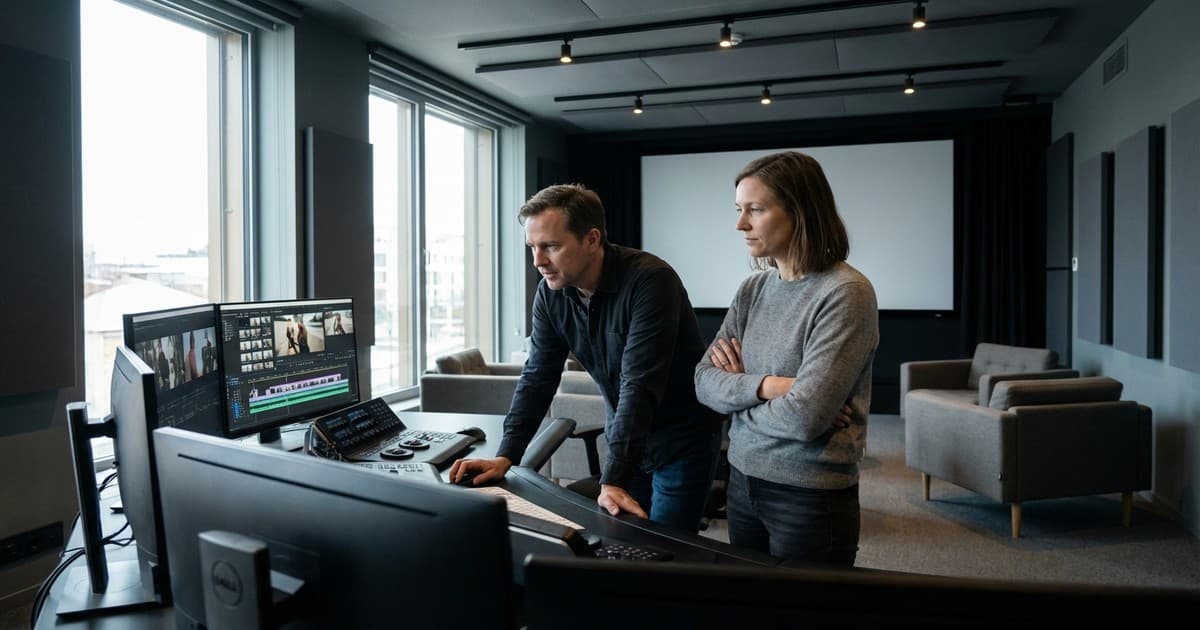
Behind these creative choices lies a massive amount of analytical data. Studios often use focus groups and biometric sensors to track heart rates and eye movements during early screenings. If a particular cut fails to spike adrenaline at the one-minute mark, it is usually reworked by the agency. This rigorous testing environment has led to a survival-of-the-fittest evolution where only the most effective, albeit repetitive, editing patterns survive.
Why predictability remains the gold standard
While film enthusiasts may bemoan the lack of originality in promotional materials, the consistency of these patterns suggests they are not going away. The current era of movie trailer formulas represents a peak in consumer science, where every frame and sound effect is calibrated for maximum engagement. As long as these blueprints continue to drive ticket sales, the familiar rhythms of the two-minute teaser will remain the industry standard.