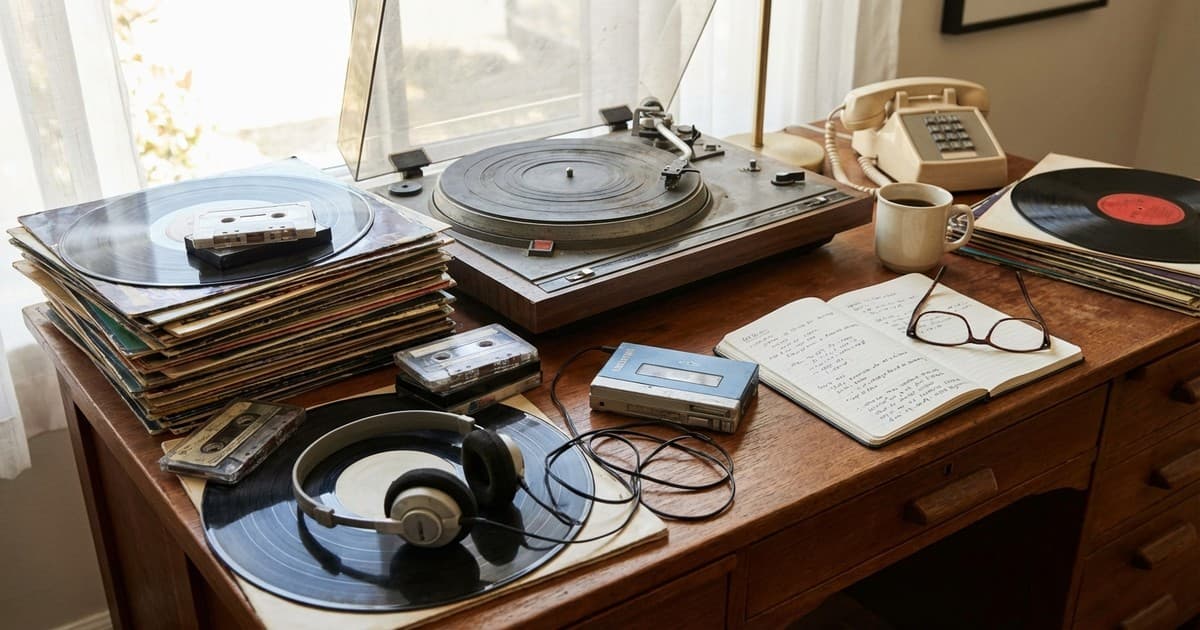
Music has always been a fascinating conversation between rapid innovation and deep nostalgia. In early 2026, we find ourselves in an era where digital perfection is often rejected in favor of the beautiful flaws of the past. From the grit of tape saturation to the rhythmic limitations of vintage samplers, many of today’s most dominant aesthetics are actually byproducts of outdated technology in music. These textures provide a human touch that software struggles to mimic.
These trends are far more than just retro-chic styling for the modern listener. They represent a visceral response to a high-tech production world that can sometimes feel overly sterile and predictable. Producers are discovering that technical limitations often breed the most enduring forms of creativity. By embracing these constraints, artists find new ways to express emotion that high-fidelity software simply cannot replicate in a standard recording environment today.
The charm of technical imperfection
One of the most visible trends is the rise of lo-fi production aesthetics. This genre deliberately incorporates the "wow and flutter" of aging cassette tapes. What was once considered a technical failure—pitch instability and background hiss—is now a sought-after texture. It provides a sense of intimacy and "lived-in" warmth that perfectly matches the chill-out playlists dominating the current streaming landscape and modern radio networks across the globe.
Similarly, the grit of 12-bit sampling defines much of modern underground hip-hop. Early samplers like the SP-1200 had limited memory and low resolution, resulting in a punchy, aggressive sound. Today, producers use software to emulate these bit-crushing effects. They seek to recapture the specific harmonic distortion that occurs when digital audio is pushed to its absolute breaking point, adding a rugged quality to the percussion and bass frequencies.
Synthesizer drift and digital grit
Analog synthesizers have seen a massive resurgence due to their inherent instability. Unlike digital oscillators that stay perfectly in tune, vintage circuits drift slightly as they heat up. This pitch variation creates a thick, organic sound that feels "alive" to the listener. Modern pop and electronic music frequently leverage this "oscillator drift" to add depth and movement to tracks that would otherwise sound static or overly synthesized in the mix.
The distinct aesthetic of chiptune also remains a powerhouse in contemporary pop and electronic circles. By utilizing the primitive sound chips of 1980s gaming consoles, musicians create complex compositions within extreme constraints. These 8-bit textures provide a nostalgic yet futuristic contrast when layered with modern high-definition production, proving that a handful of simple waveforms can still carry significant emotional weight and melodic clarity today.
Echoes of the physical recording era
Vinyl and cassette tapes have moved beyond niche collector items to influence how music is mixed and mastered today. Engineers often "mix for vinyl," accounting for the physical limitations of a needle in a groove. This requires a specific approach to low-end frequencies and stereo width. Even in purely digital releases, artists frequently add simulated crackle to signal a sense of authenticity and historical weight to their newest studio albums.
The "gated reverb" drum sound of the 1980s is another survivor of obsolete studio setups. Originally an accidental discovery involving a studio talkback microphone and a noise gate, it defined an entire decade. While the original hardware is rarely used now, the sound remains a staple in synthwave and modern indie pop. It illustrates how a technical quirk can evolve into a permanent fixture of the musical lexicon and creative process.
FM synthesis, popularized by the notoriously difficult-to-program Yamaha DX7, is also enjoying a significant second life. Its glassy, metallic tones were briefly considered dated in the late 1990s. However, the revival of 80s aesthetics has brought these sharp, crystalline sounds back to the forefront. They offer a unique timbral alternative to the smoother, subtractive synthesis styles that have dominated the electronic landscape for the last several years.
How constraints foster modern creativity
Even the way we record vocals has been influenced by "low-quality" gear and consumer electronics. Many artists now record demos on mobile phone microphones, only to find the compressed, narrow frequency range more compelling than an expensive studio condenser. This "voice memo" aesthetic has become a hallmark of modern indie and folk, prioritizing the raw immediacy of the performance over the professional clarity of high-end recording equipment.
Finally, the "loudness war" of the early 2000s left a lasting mark on modern production styles. The heavy dynamic compression used to make tracks sound loud on the radio is now used as a creative tool. Producers pump their tracks with aggressive limiting to achieve a rhythmic "breathing" effect. This intentional distortion mimics the sound of overloaded analog gear, adding a sense of energy and urgency to the music that resonates with modern audiences.
The influence of the Mellotron also persists in the work of modern songwriters. This early tape-based sampler was famous for its haunting, flute-like strings. Because it used actual loops of physical tape, the notes had a finite length and a distinct wobbling quality. Modern plugins have perfectly replicated these quirks, allowing contemporary musicians to access the same melancholic atmosphere that once defined the psychedelic era and progressive rock.
Ultimately, the persistence of these trends suggests that listeners value authentic character over clinical clarity. In an age where any sound can be generated perfectly by a complex algorithm, the human-like unpredictability of old gear provides a necessary anchor. Outdated technology offers a bridge to the artistic past while providing the essential building blocks for future innovation in the recording arts for a global digital audience.
As we move further into the digital age, the "ghosts" in our machines become increasingly more precious. The clicks and hiss of yesteryear are not errors; they are the textures that make modern music feel tangible and real. By looking backward, the industry finds the best ways to move forward, ensuring the soul of the machine remains intact. This marriage of old and new defines our current sonic landscape and creative future.